Kastri, Mylopotamos, Rhithymna,Crete
Castle of Kallergis
| Location: |
| On a hill above and south of the village Kastri in Rethymno area in Crete |
| Region > Prefecture: | 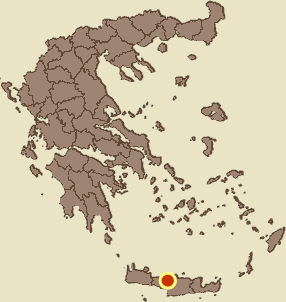 |
| Crete Rhithymna | |
| Municipality > Town: | |
| City of Mylopotamos • Kastri | |
| Altitude: | |
|
Elevation ≈ 384 m (Relative Height≈30 m) |
| Time of Construction | Origin | |
| probably 14th cent. | Late-BYZANTINE  |
|
| Castle Type | Condition | |
| Castle Ruins |
In Ruins
|
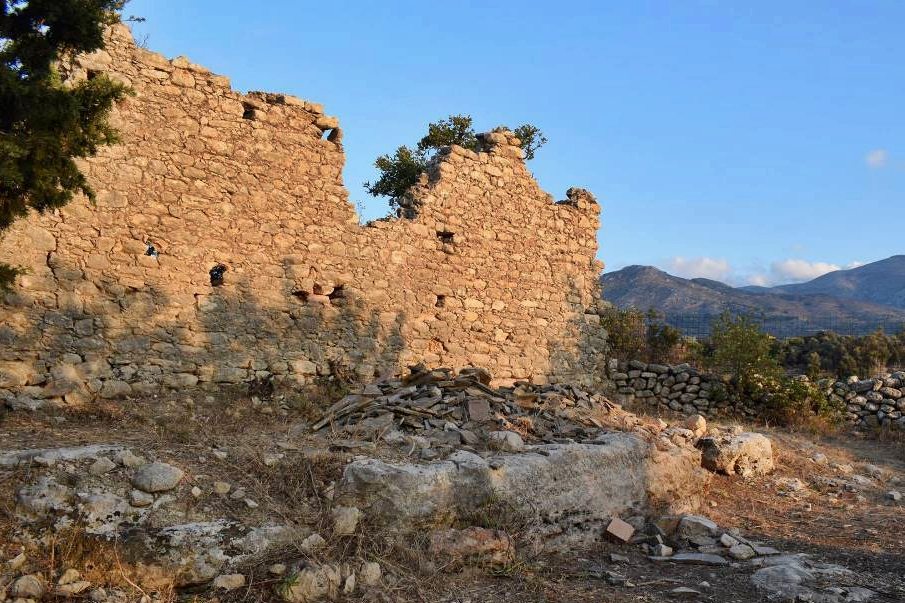
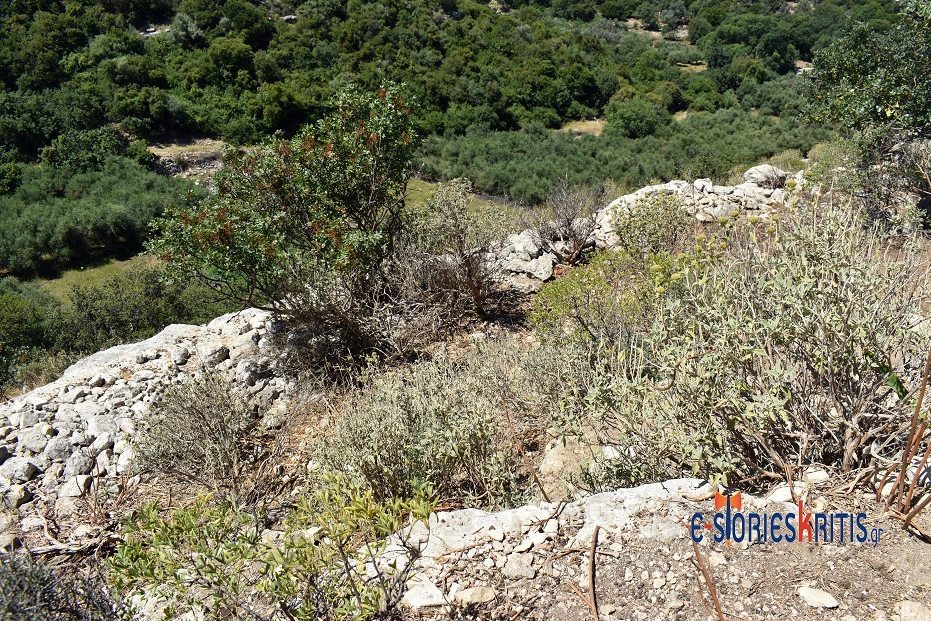
On a low hill above the settlement of Kastri, in the regional unit of Rethymno, stand the ruins of a medieval castle.
Kastri is a small settlement belonging to the Local Community of Agios Mammas, in the Municipal Unit of Geropotamos, within the Municipality of Mylopotamos, in the prefecture of Rethymno.
In the sources, the castle is also referred to by other names, such as Pano Kastri, Apanokastri, or Panokastri.
History
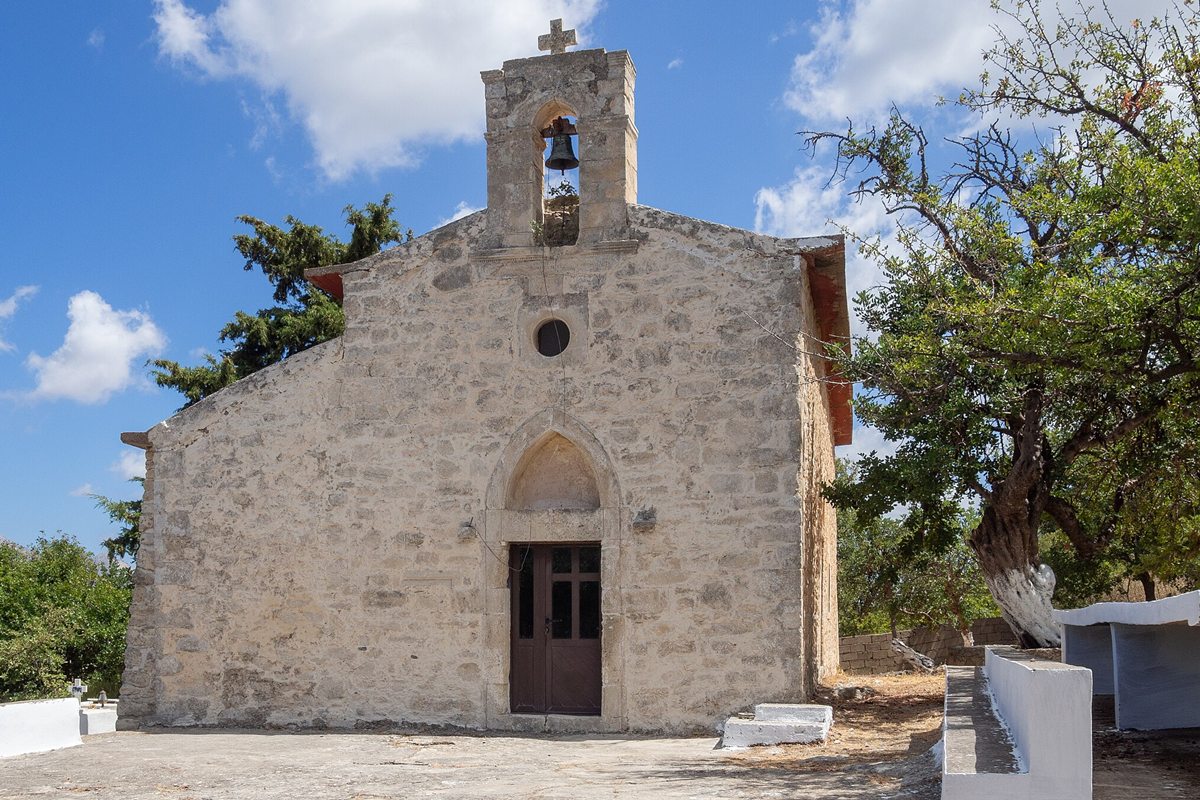
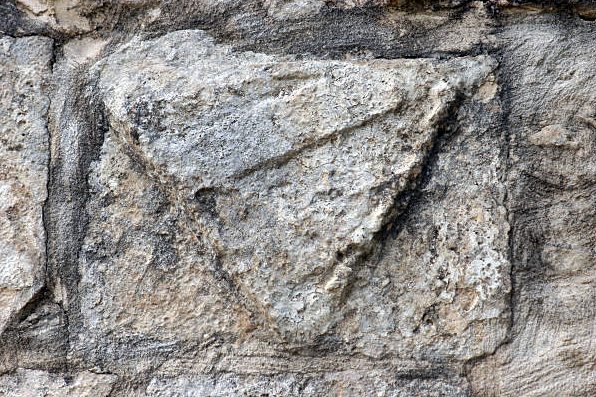
Dominating the hill is the church of Panagia, which today serves as the village cemetery church. It is a double-aisled structure dedicated to the Dormition of the Theotokos and to Saint Nektarios. Inside the church, a carved coat of arms of the Kallergis family can be seen (photo 7). The same coat of arms was recorded by the Italian archaeologist G. Gerola, who visited Kastri in Mylopotamos in 1904.
The presence of this coat of arms confirms that, for a certain period, the castle was the property of the Kallergis family.
The Kallergis were a prominent Cretan noble family. According to tradition, they were descendants of one of the twelve noble families, known as the “Archontopoula,” who were sent to Crete by the Byzantine emperor Alexios I Komnenos (1081–1118). However, the story of the twelve Archontopoula is today considered to be a later fabrication by Cretan landowners seeking to legitimize their privileges during the period of Ottoman rule. In any case, members of the Kallergis family played a leading role in uprisings against Venetian rule in Crete.
The first historically documented member of the family is Alexios Kallergis, leader of the largest revolt against the Venetians on the island, which began in 1282 and ended in 1299. Following the peace agreement with Venice, Alexios was granted extensive fiefs and an honorary Venetian noble title (as a member of the Nobili Veneti), which he retained until his death in 1321, remaining until the rest of his life a loyal subject of the Serenissima.
Documents from the second half of the 14th century attest to the existence of Kallergis estates in the area from at least 1341. During the period 1363–1366, the revolt known as the “Rebellion of Saint Titus” broke out: Venetian settlers overthrew ducal authority and established the Republic of Saint Titus, which, however, was suppressed about a year later. In the second phase of the uprising, Ioannis Kallergis played a leading role and appears to have fortified himself at Kastri.
The chronicler Leonardo de Monacis includes Kastri of Mylopotamos among the fortified villages of the rebels, though without explicitly associating it with the Kallergis family.
The revolt came to a definitive end in 1366. The Kallergis family were outlawed and their properties confiscated. The fief of Kastri was granted to the provveditore Nicolao Delphyno and subsequently to other Venetians.
The most probable date for the construction of the castle is around 1365, when the Kallergis had fortified their fief at Kastri. This dating is supported by the presence of the church of Panagia Panokastriani, which in its original form was a representative example of a double-aisled, barrel-vaulted church with a main nave and a secondary side aisle — a type that first appeared in Crete during the 14th century. Moreover, fragments of 14th-century wall paintings have been preserved.
After the defeat of the Kallergis in 1366, the castle was probably destroyed by the Venetians in order to prevent its reuse, which would explain its complete absence from later historical sources.
Structure, Fortification & Buildings
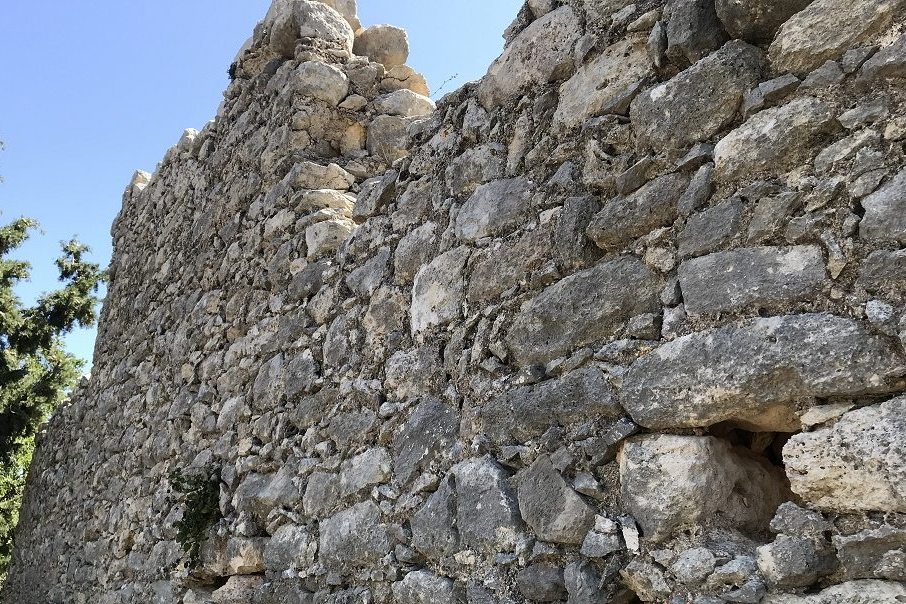
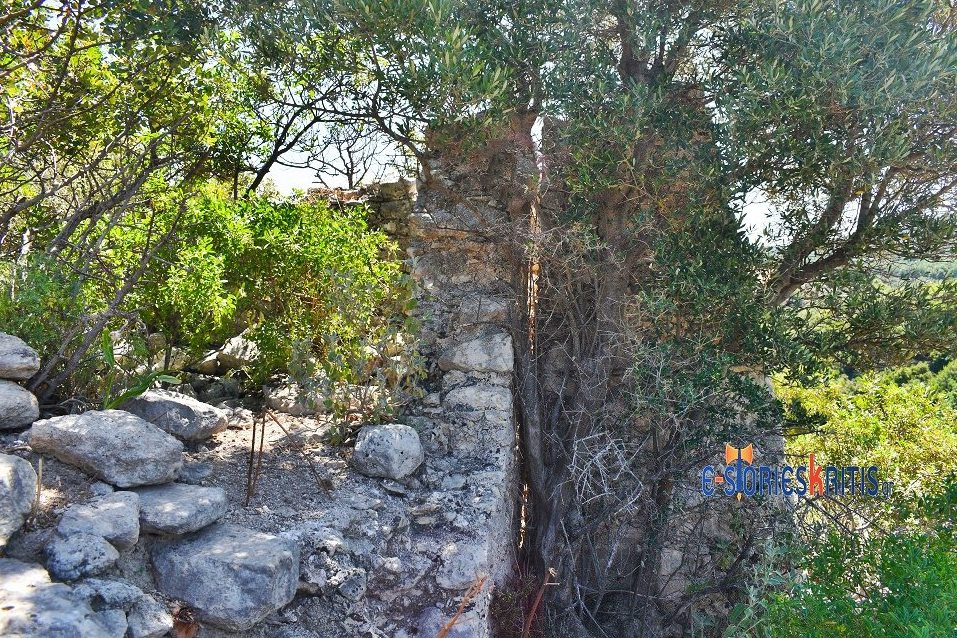
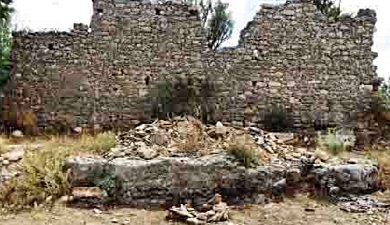
The castle covered an area of approximately 8,000 square meters, within a perimeter of about 325 meters. The outline of the fortifications is still largely visible, although the walls are in poor condition, with the exception of a section about 15 meters long that survives to a considerable height.
At the center of the castle stands the church of Panagia Panokastriani, a later reconstruction of the original church, which, it should be noted, was unusually large for both its location and its period.
Sources
- Website Cretan Beaches - Απάνω Καστέλι στο Καστρί Μυλοποτάμου (Απανωκάστρι)
- Website Ρέθεμνος - Αναγκαία η διάσωση του Κάστρου του Αλέξιου Καλλέργη στο Καστρί Μυλοποτάμου
- Website Rethemnos.gr - Δήμος Μυλοποτάμου: «Το Κάστρο του Αλέξιου Καλλέργη πρέπει να σωθεί και να αναδειχθεί»!
- Website e-STORIES KRITIS - Το κάστρο των Καλλέργηδων στο Πανωκάστρι Μυλοποτάμου, στο χωριό Καστρί
- Research: Charalampos Papadopoulos
| Access |
|---|
| Entrance: |
| Free access. |