Perithori, Nafpaktia, Aetolia-Akarnania,West Greece
Castle of Perithori
or Castle of Varasova
| Location: |
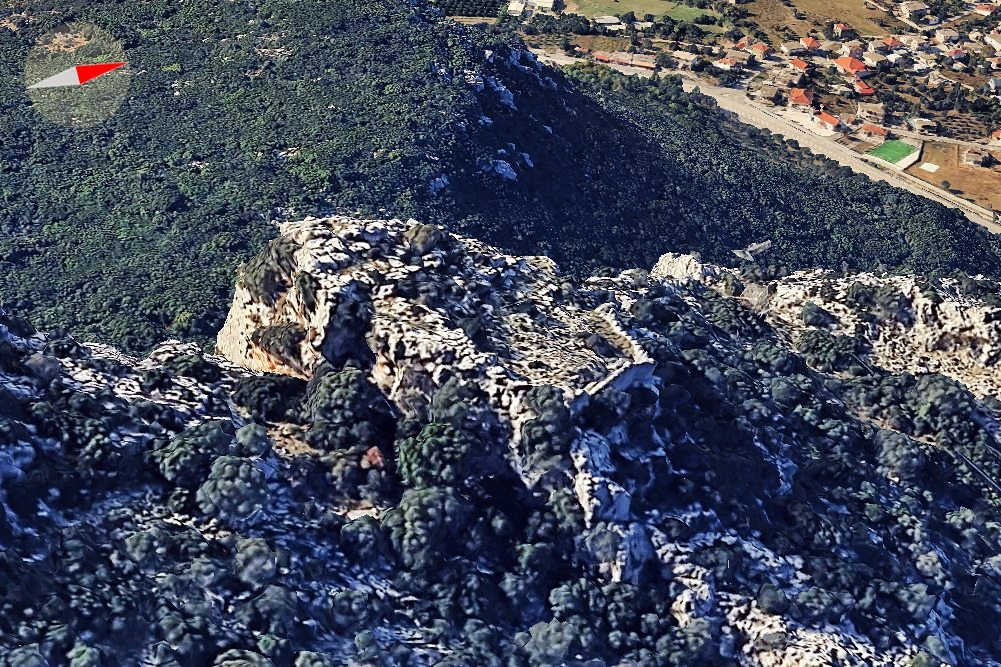
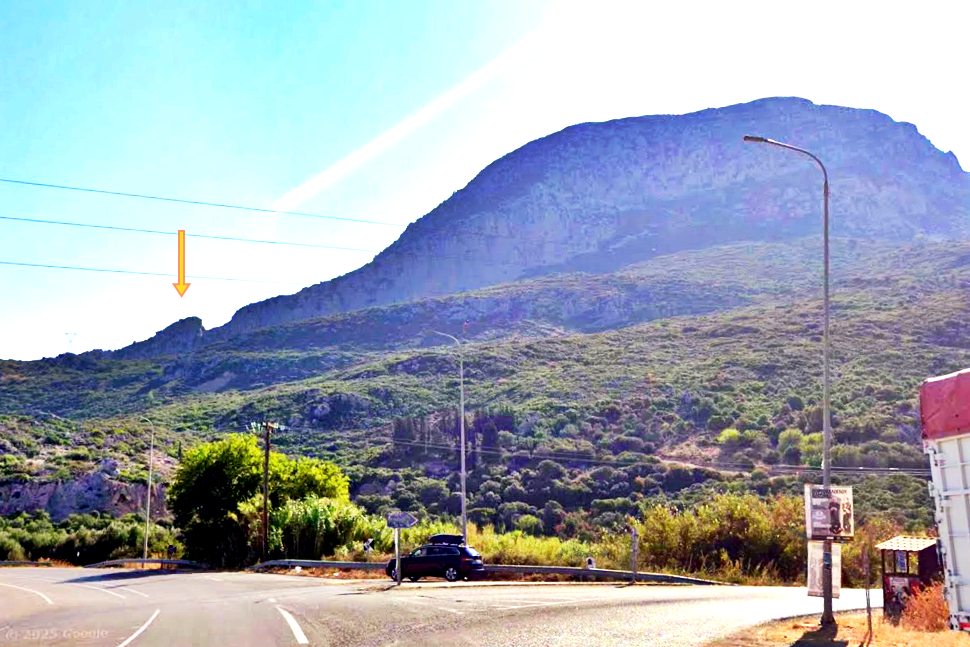
| On a rock of mount Varasova, 500m SE of the village Perithori of Nafpaktos region |
| Region > Prefecture: |  |
| West Greece Aetolia-Akarnania | |
| Municipality > Town: | |
| City of Nafpaktia • Perithori | |
| Altitude: | |
|
Elevation ≈ 310 m (Relative Height≈250 m) |
| Time of Construction | Origin | |
| probably 15th cent. | VENETIAN  |
|
| Castle Type | Condition | |
| Castle |
Rather Poor
|
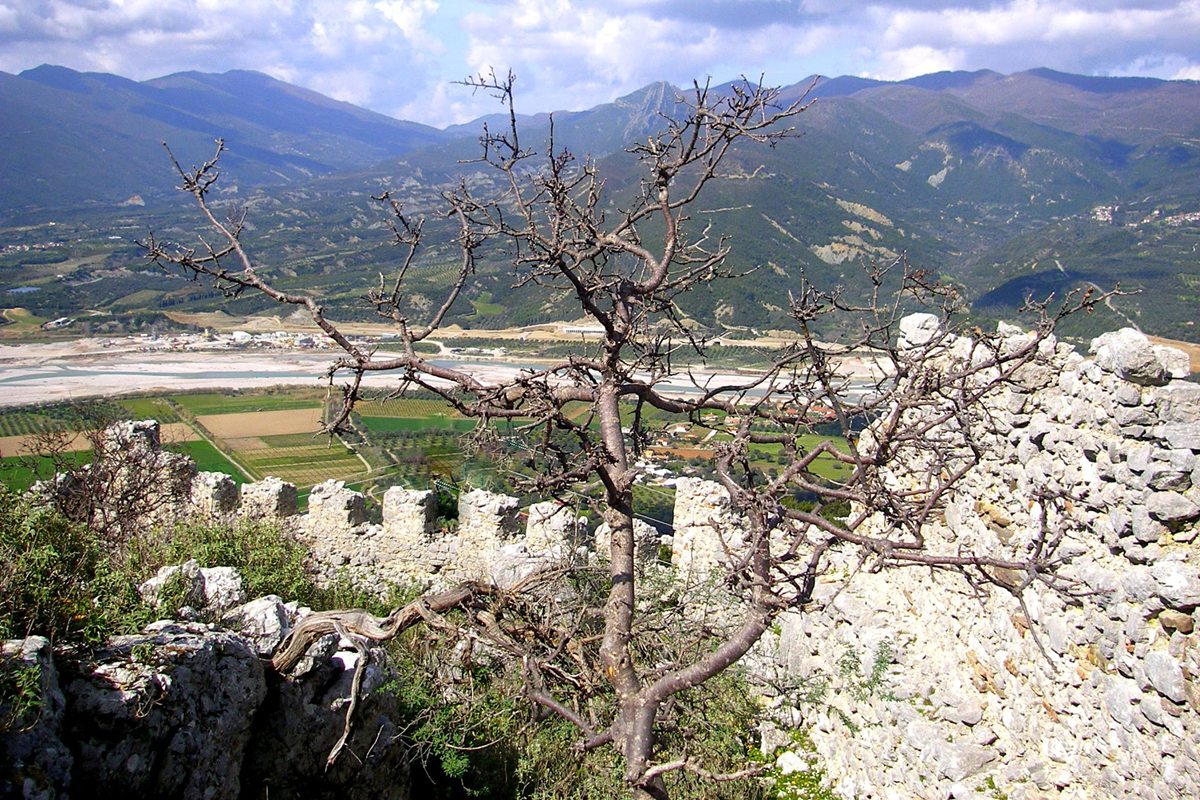
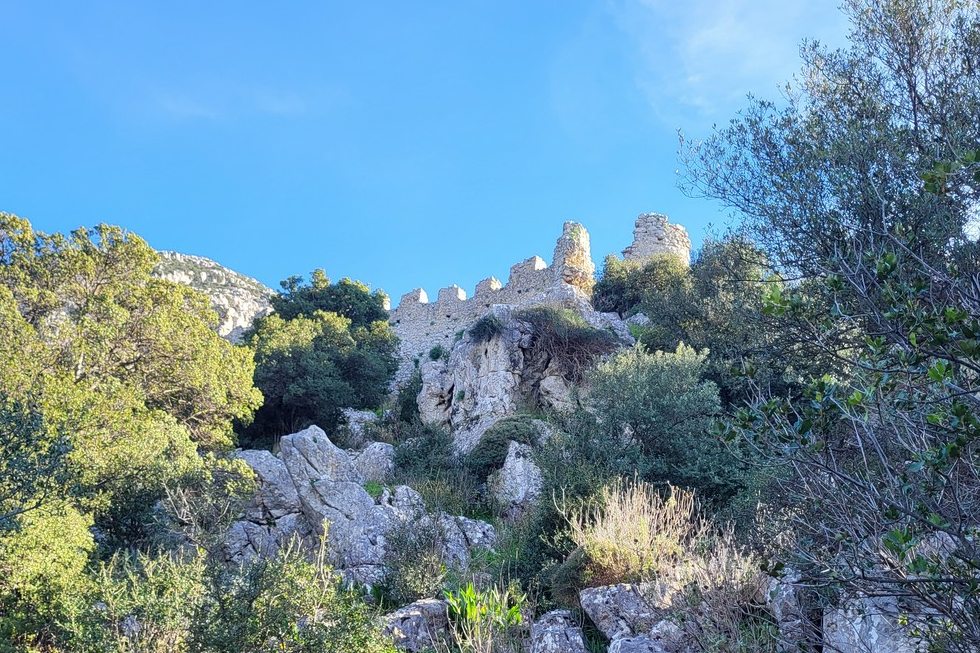
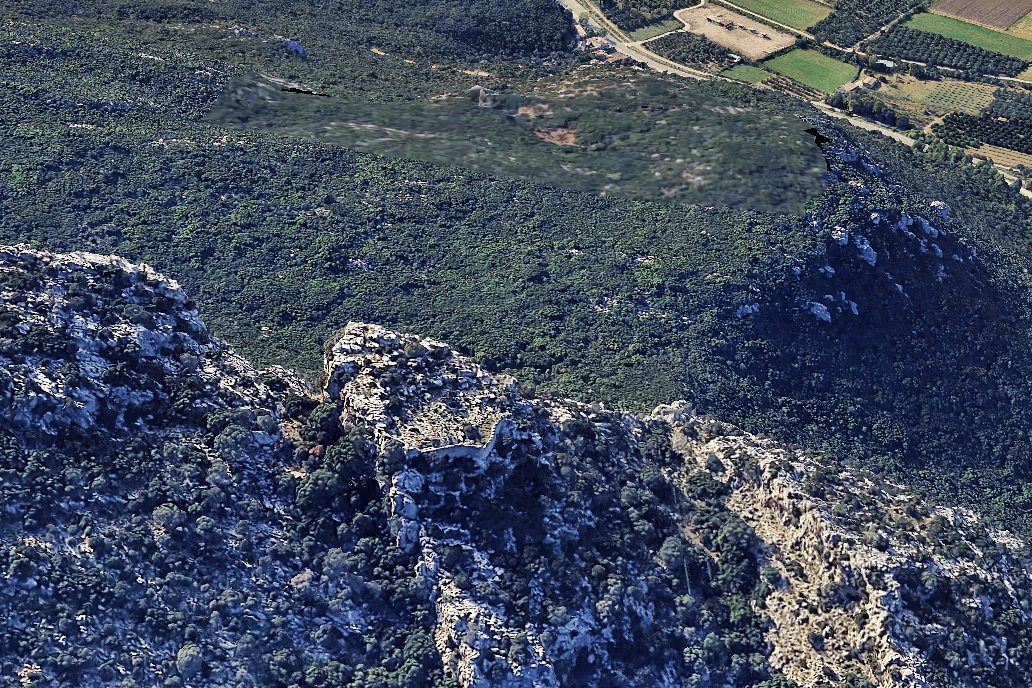
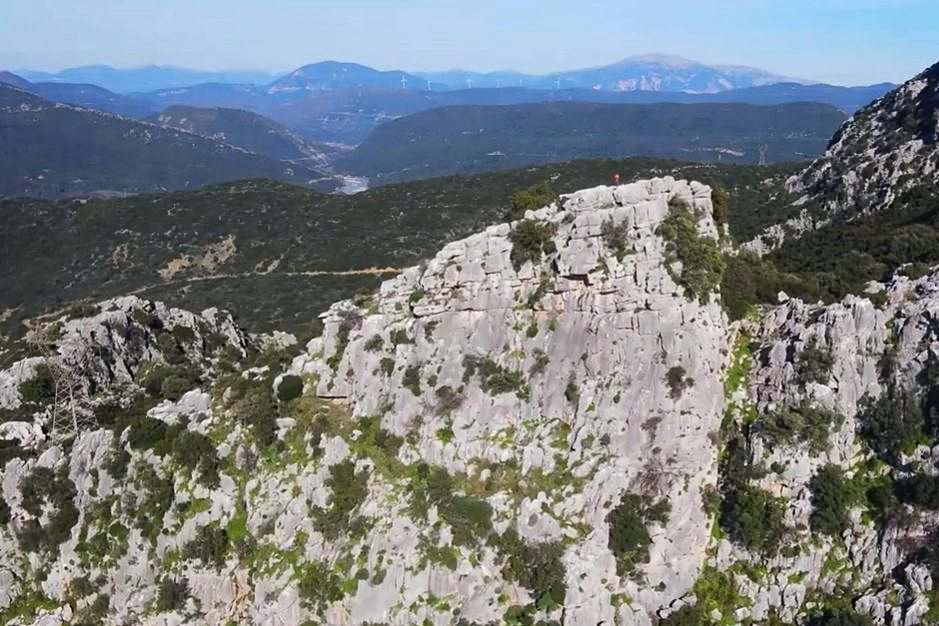
A small castle on a steep rock on the north side of Mount Varasova in Aitoloakarnania, southeast of the village of Perithori in Nafpaktos region and 1.5 km south of the Evinos river.
Location & Strategic Scope
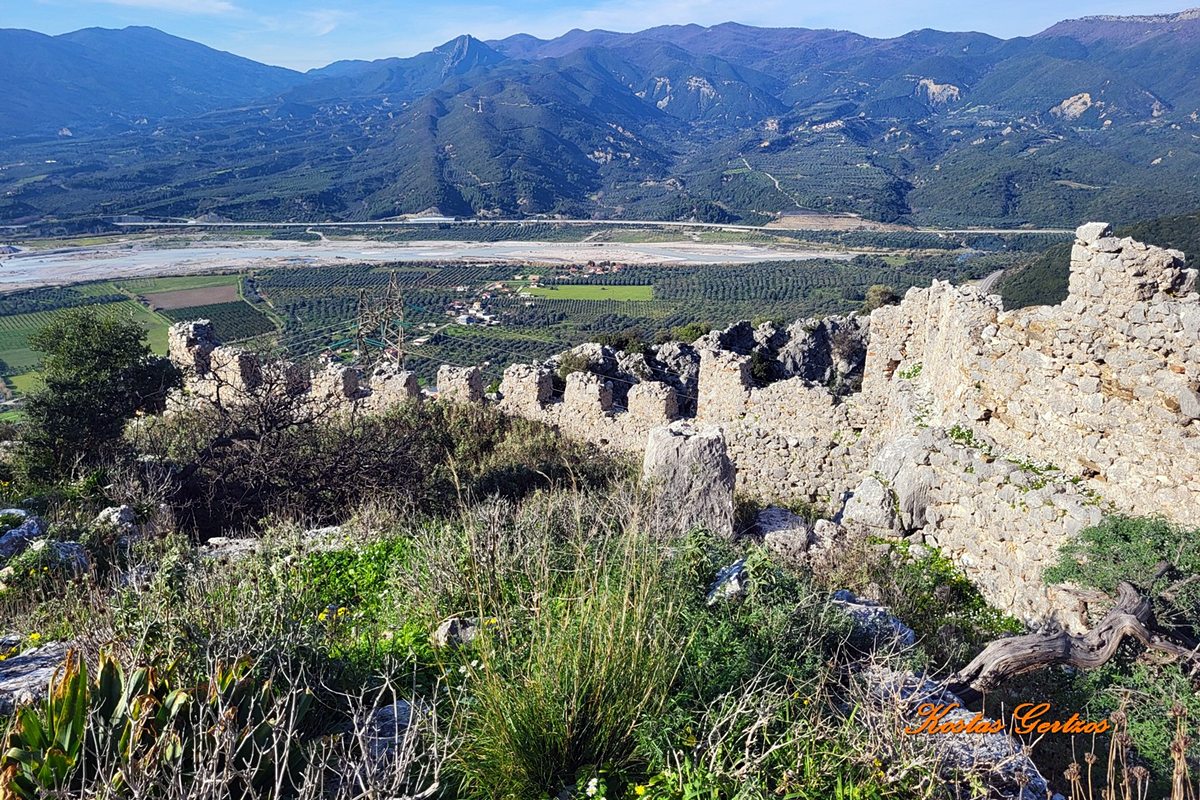
The castle is located at a point that controls a passage between the Evinos River and Mount Varasova. Apparently the castle was built at this point to control the passage from the west to the Nafpaktos region.
It should be noted that the Evinos must have had much more water in the past and the passage must have been much narrower.
History
The castle was one of the small fortresses that protected the region of Nafpaktos during the Venetian rule.
Nafpaktos and its region were under Venetian occupation (Enetokratia) from 1407 until 1499, when it fell in the hands of the Turks, at the beginning of the Second Venetian-Turkish War (1499–1503).
The castle may have existed since the Late Byzantine period, when Nafpaktos belonged for a long time, until 1294, to the Despotate of Epirus. In 1294, the despot of Epirus, Nikephoros I, married his second daughter, Tamar, to the prince of Taranto, Philip I, son of the Angevin king of Naples, Charles II, and Nafpaktos, along with other castles in western Greece, was given as a dowry to the Angevins. Actually, Nafpaktos came under the Kingdom of Naples in 1307, when Charles II campaigned in western Greece and captured some territories that he considered to be his by right, such as Nafpaktos.
The Angevin rule lasted until 1360 when parts of Epirus and Aetolia-Acarnania, along with Nafpaktos, passed under the jurisdiction of the Albanian warlord Gini Buas Spata.
From 1360 to 1407, Nafpaktos and its region belonged to the family (fara) of the Buas (who identified themselves as Roman rulers). But it was a time of many external threats (mainly from the Ottomans). In 1407, the then toparch Pavlos Buas, seeing that he would not be able to hold Nafpaktos for long, sold it to the Venetians (who hurried to preempt an agreement between Buas and the Turks) for 1500 gold ducats. Thus began the first period of Venetian rule for Nafpaktos, which lasted 92 years, until 1499. It should be noted that the Venetians already had a commercial presence in Nafpaktos, at least since 1390.
The Venetians, in addition to the intensive construction and reconstruction of the fortification of the castle of Nafpaktos, also worked on some other castles in the area. We know of the existence of these Venetian castles from a report of 1498, when the Turks were at the gates.
Specifically, the Venetian official (sindico) Piero Sanudo compiled a report that was preserved because it was recorded by the Venetian chronicler Marin Sanudo (1466-1536) in the Diarii, the diaries, that is, where the he recorded various events of his time.
The report, dated December 1, includes a eulogy for the late rector (rettore e provveditor) Viaro, who had died the previous summer, having carried out important fortification works in Nafpaktos.
In this report of 1498, Piero Sanudo points out that in the area there are 4 important castles (castelli) that he characterizes as keys of Nafpaktos (chiavi di Lepanto) that will help in the defense against the Ottoman threat: Galata, Vromiari, Neokastro and the castle of this page, Perithorio (Peritorio). It should be noted that ruins of fortifications have survived in at least 2 of them except Perithorio: in Vromiari and in Neokastro, which are not yet present in the Kastrologos.
Piero Sanudo had sent the knight Zuan Moscho to check the condition of these castles. Moscho (who was probably Greek) carried out the mission and upon returning gave his verbal report on 18 November 1498. For the castle of Perithori, he recorded the poor condition of the walls, the unusable resecisternrvoir, the lack of ammunition and the low morale of the small garrison.
Nafpaktos was surrendered to Bayezid II in 1499. During the Turkish occupation, the castle of Perithori must not have been used. Nafpaktos also experienced a second period of Venetian occupation between 1687-1699, but there is no evidence that the castle of Perithori was activated during this brief Second Venetian rule.
The castle was therefore definitely used during the 15th century by the Venetians. We do not know if it existed before. Its construction does not resemble a Byzantine castle (but neither a Venetian one). We will reserve the term “Venetian”.
It should be noted that Mount Varasova (altitude 917m) is also called the “Holy Mountain of Aetolia” because after the 10th century there were a number of hermitages and small monasteries there (72 have been counted). It is likely that the existence of the castle is linked to the monastic community (so it may have existed before the 15th century) but we do not have more information on this.
Structure, Fortification & Buildings
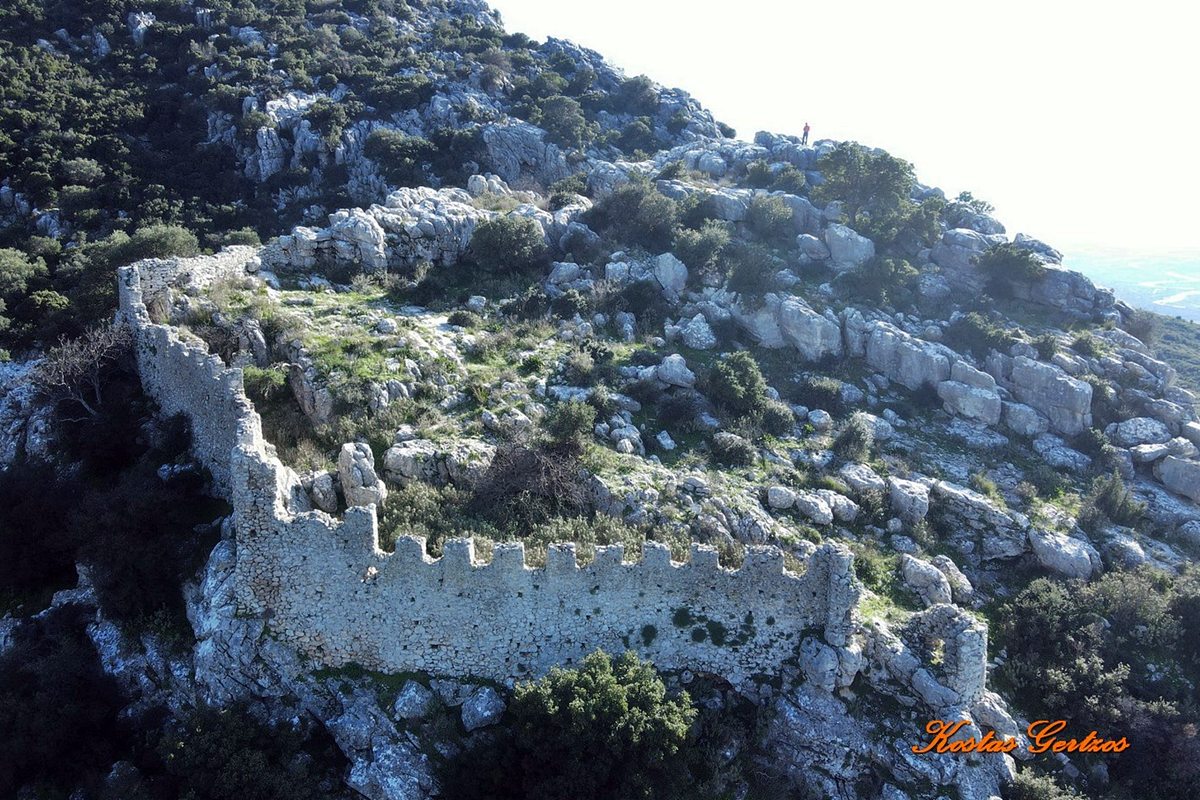
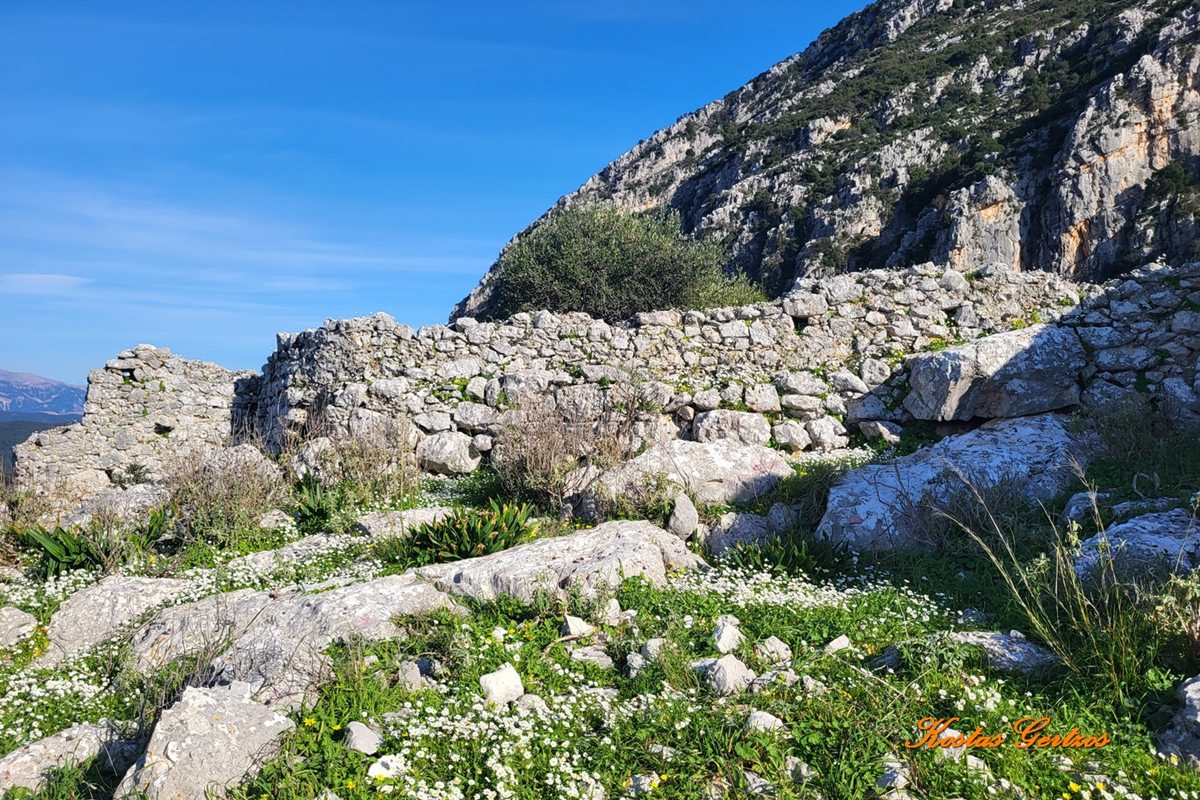
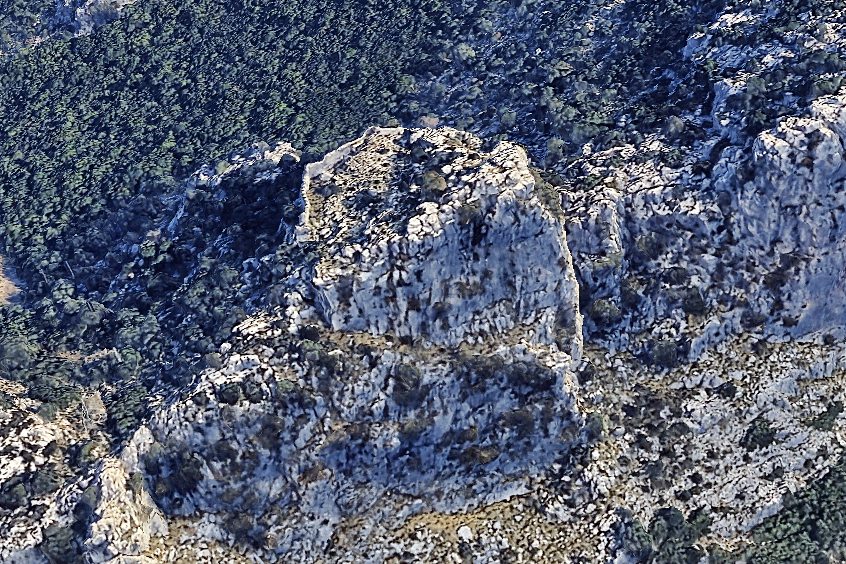
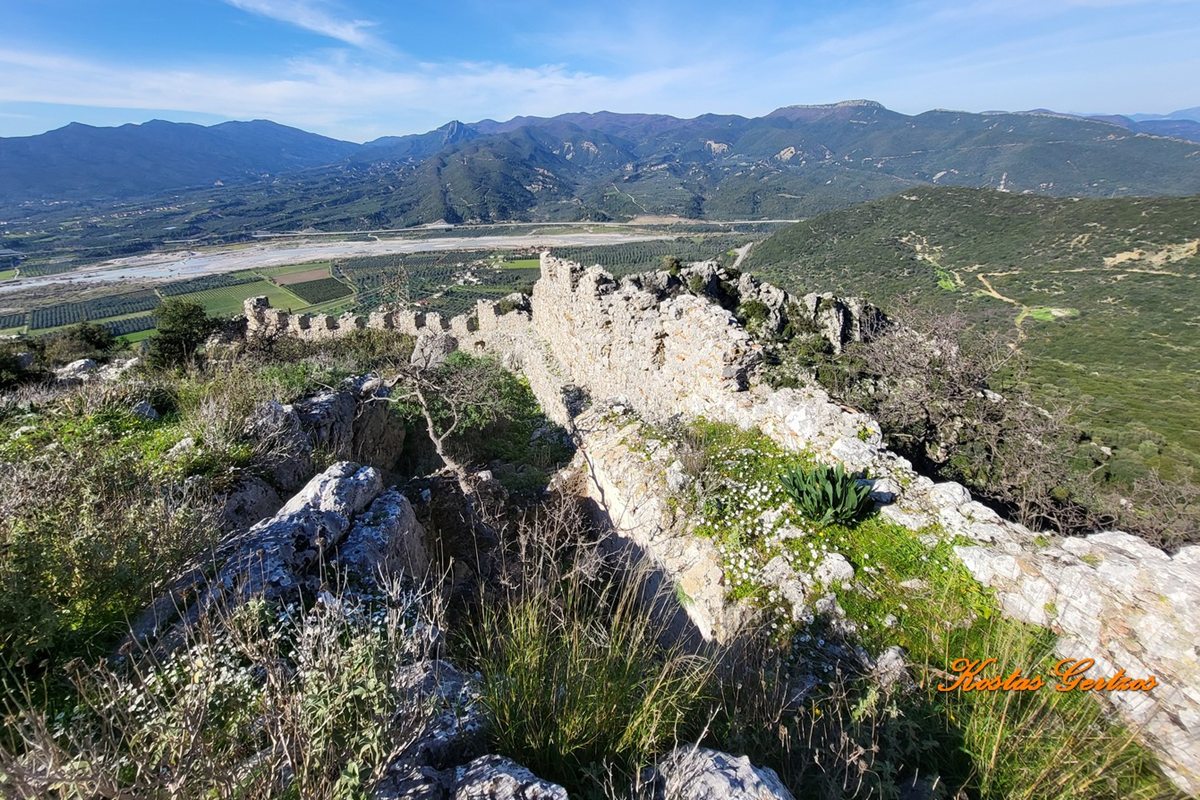
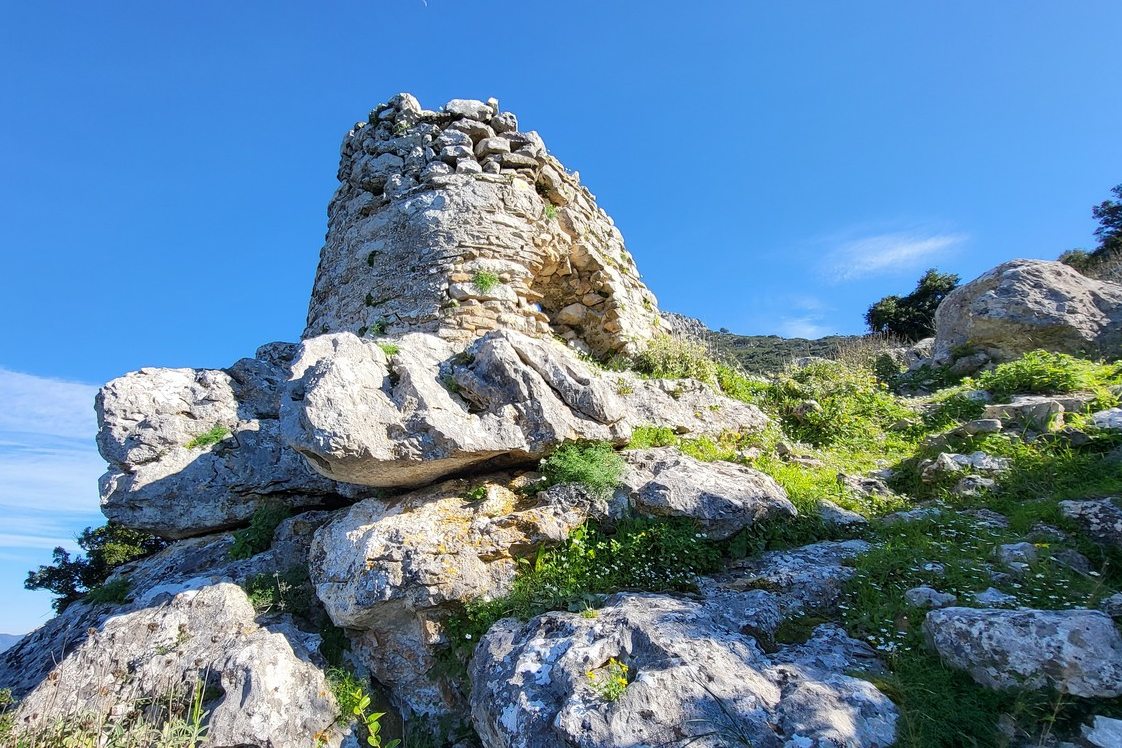
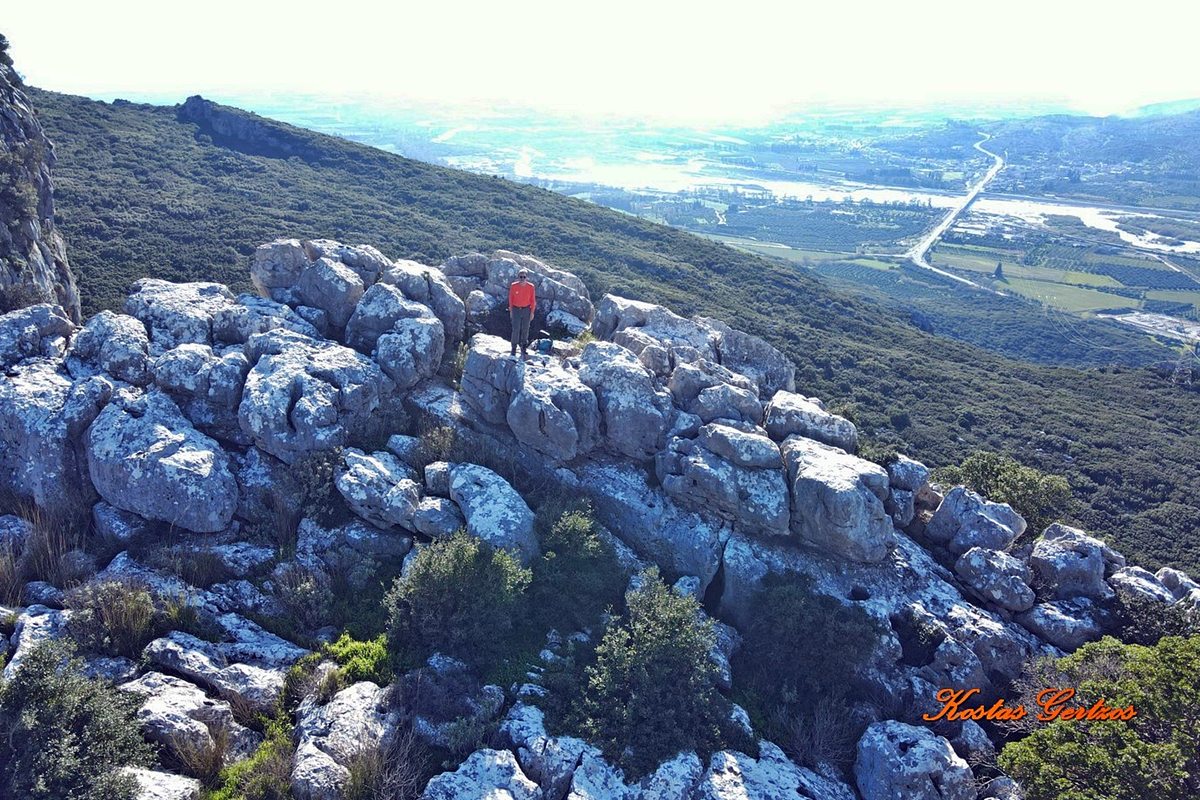
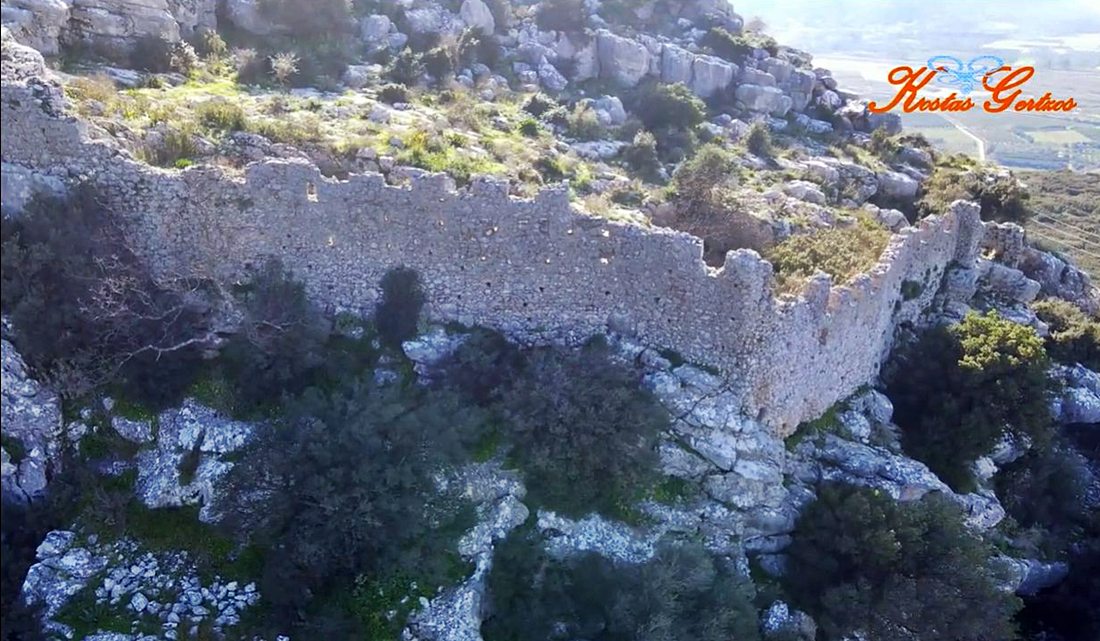
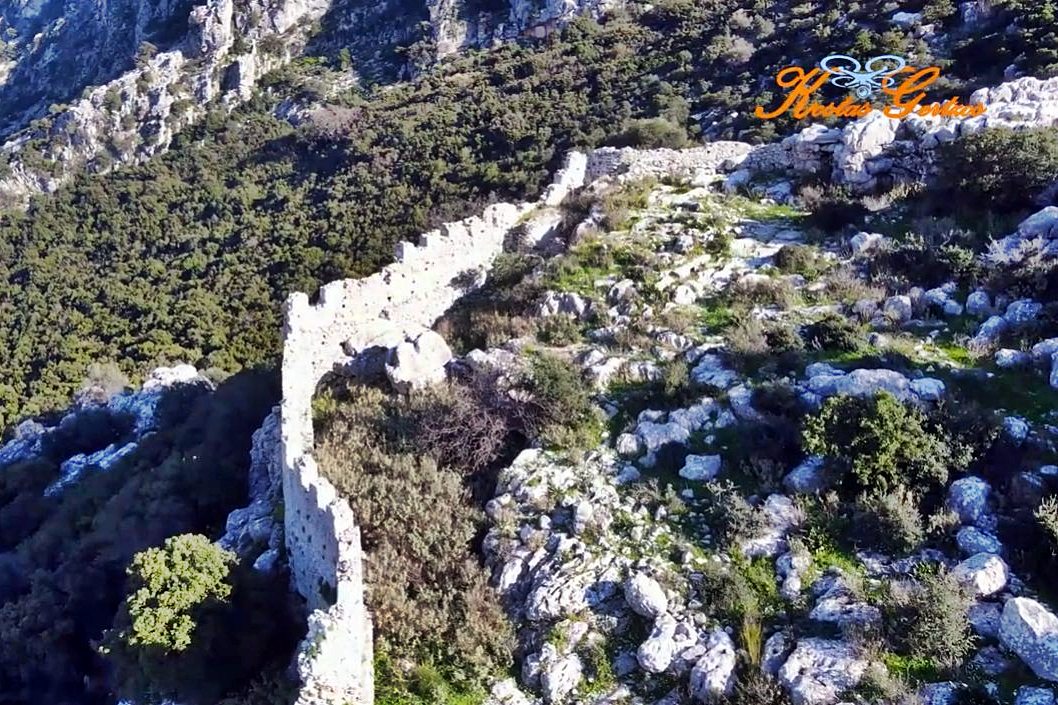
The castle is located on the plateau at the top of a steep rock. It occupies an area of around 1500 sqm within a perimeter of approximately 140 meters.
Due to the morphology of the terrain and the natural protection of the rock, it seems that there were no walls on all sides.
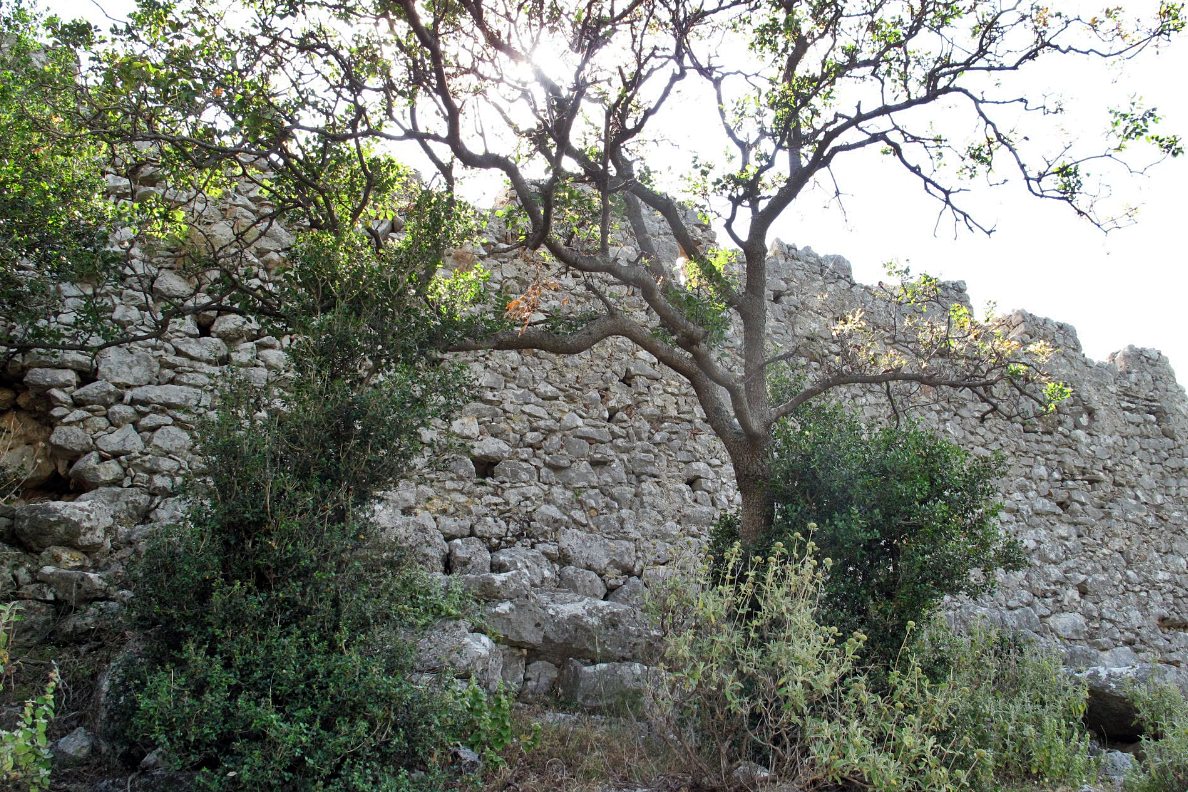
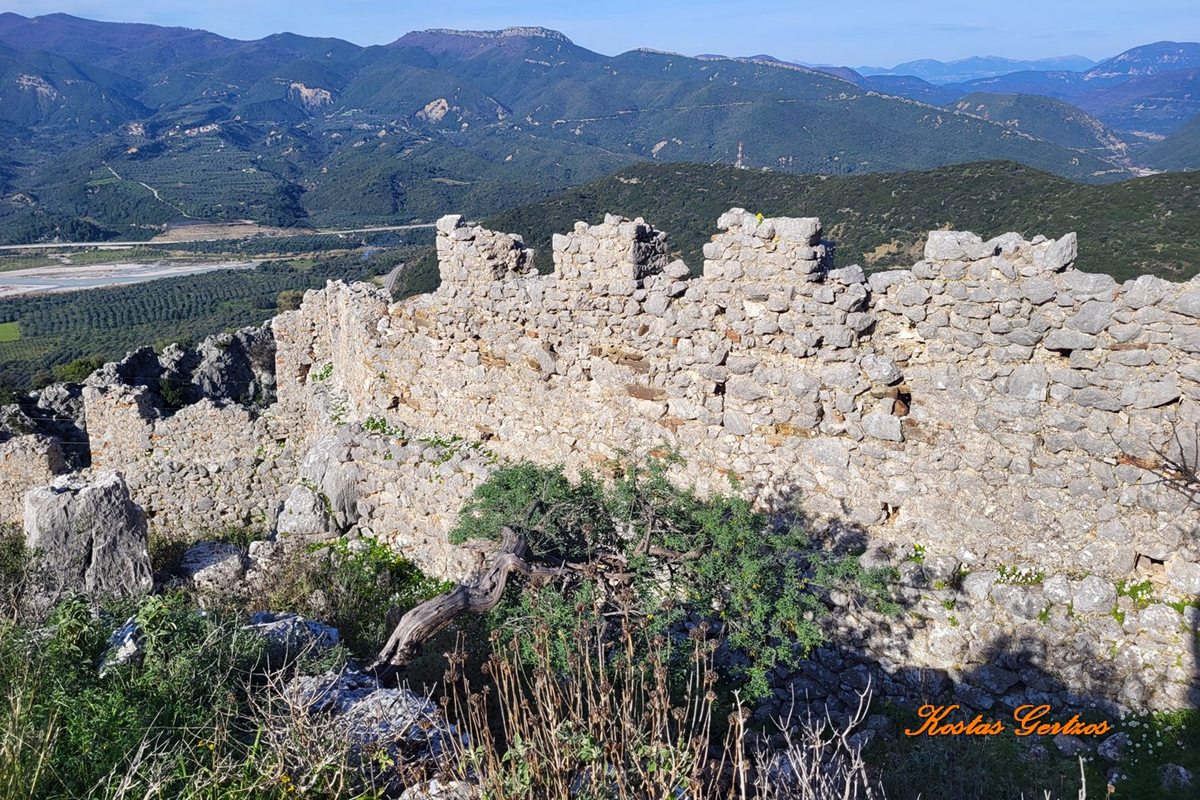
The wall that survives today covers the eastern and northeastern sides of the fort with a total length of around 70m. It is not clear (to us) whether there was originally a wall on the other sides.
Sources
- Website ΔΡΟΜΟΙ της ΛΙΜΝΟΘΑΛΑΣΣΑΣ - Φρούριο Περιθωρίου
- Vaggelis Thodis, photo 3 (2018)
- Βασιλάτος Νίκος, «Κάστρα της Ελληνικής γης», εκδόσεις Μπάλτερ, Αθήνα, 1991
- Info by Charalampos Papadopoulos
- Video by the user Kostas Gertzos ΑΣΤΡΟ ΒΑΡΑΣΟΒΑΣ ή ΠΕΡΙΘΩΡΙΟΥ, ΑΙΤΩΛΟΑΚΑΡΝΑΝΙΑ. CASTLE of VARASOVA or PERITHORI, AETOLIA-ACARNANIA. source of the photos 1,5-8, 11-17 (February 2026)
| Access |
|---|
| Approach to the monument: |
| A 2 km dirt road (blocked by a bar at the beginning) leads from the provincial road north of Perithori to the castle rock from where the climb is difficult. |
| Entrance: |
| Free access |
| Other castles around |
|---|
| Antirrio Fortress |
| Koulia of Evinochori |
| Tower of Kleisoura |
| Fort of Mesolonghi |
| Castle of Patra |
| Rio Castle |
| Sidirokastro in Achaea |
| Ancient Chalkis |