Kalarrytes, North Tzoumerka, Ioannina,Epirus
Monastery of Kipina
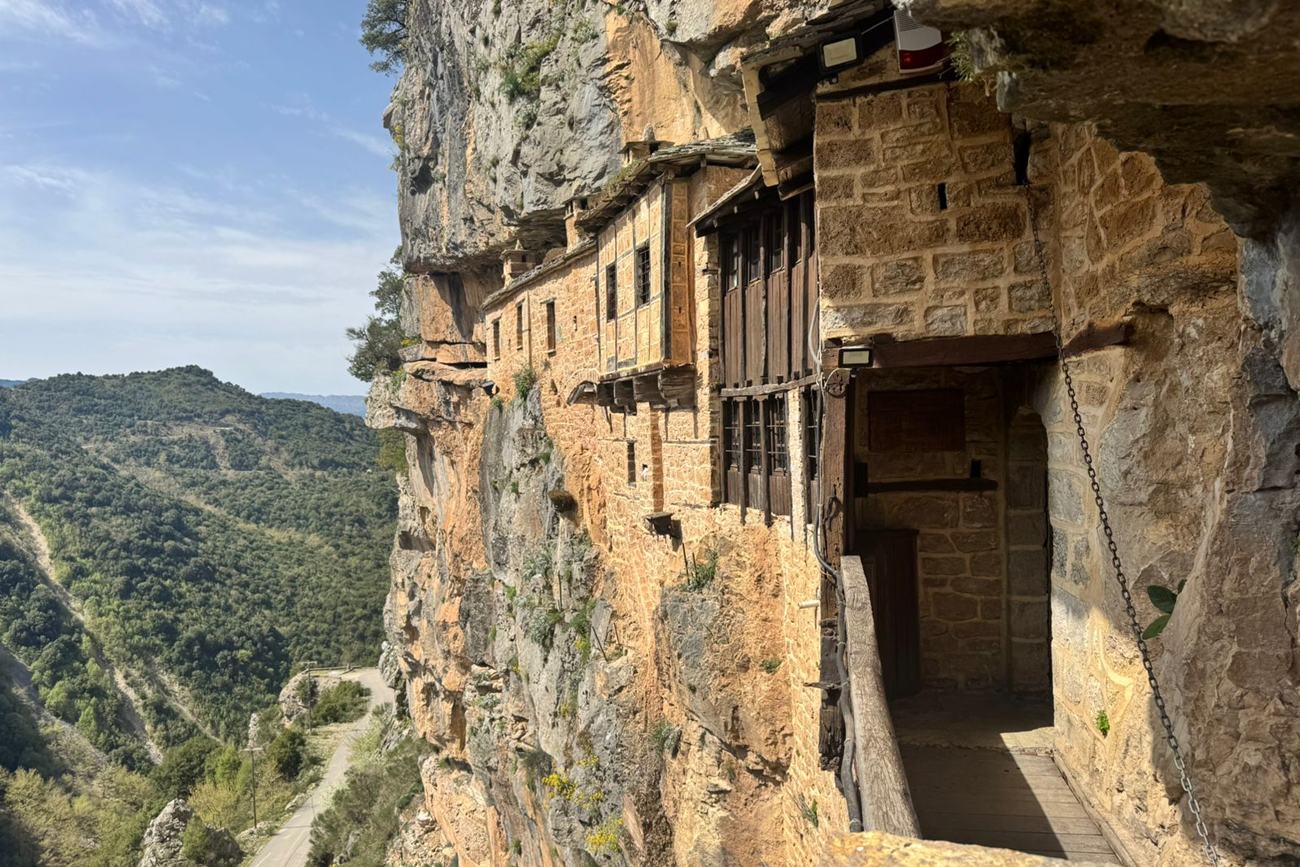
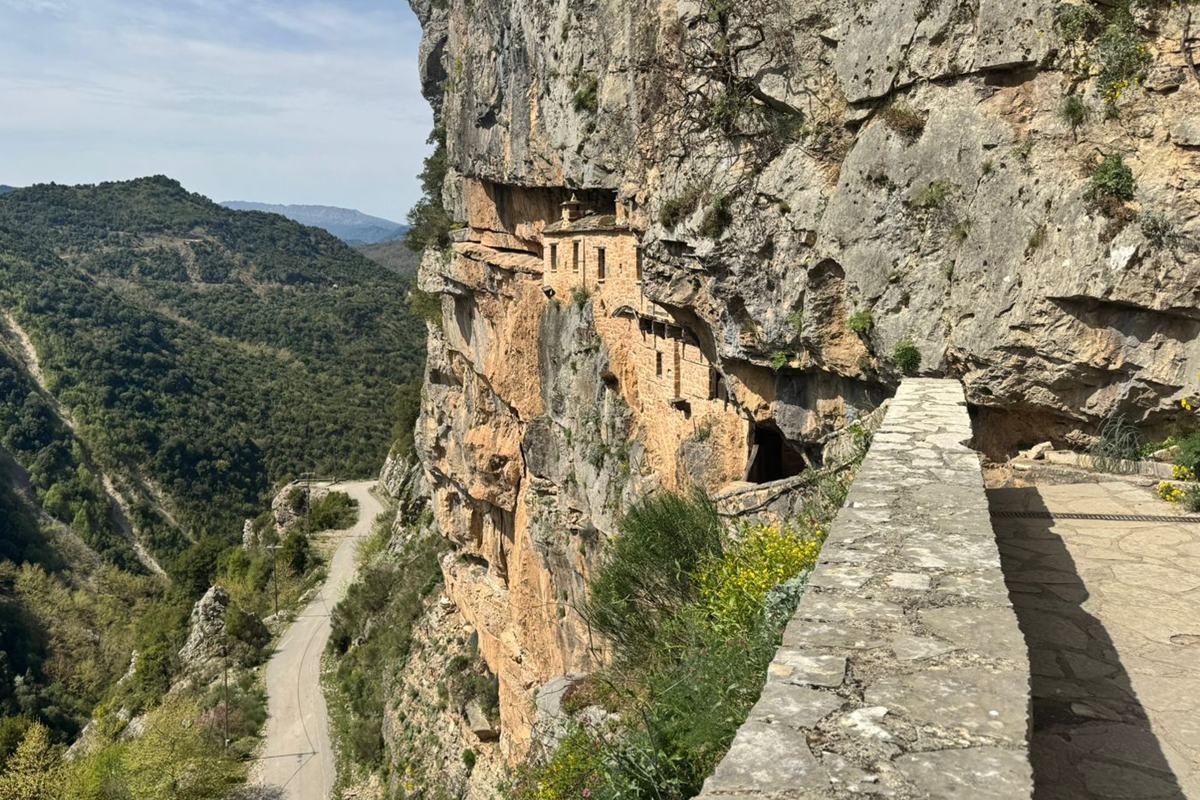
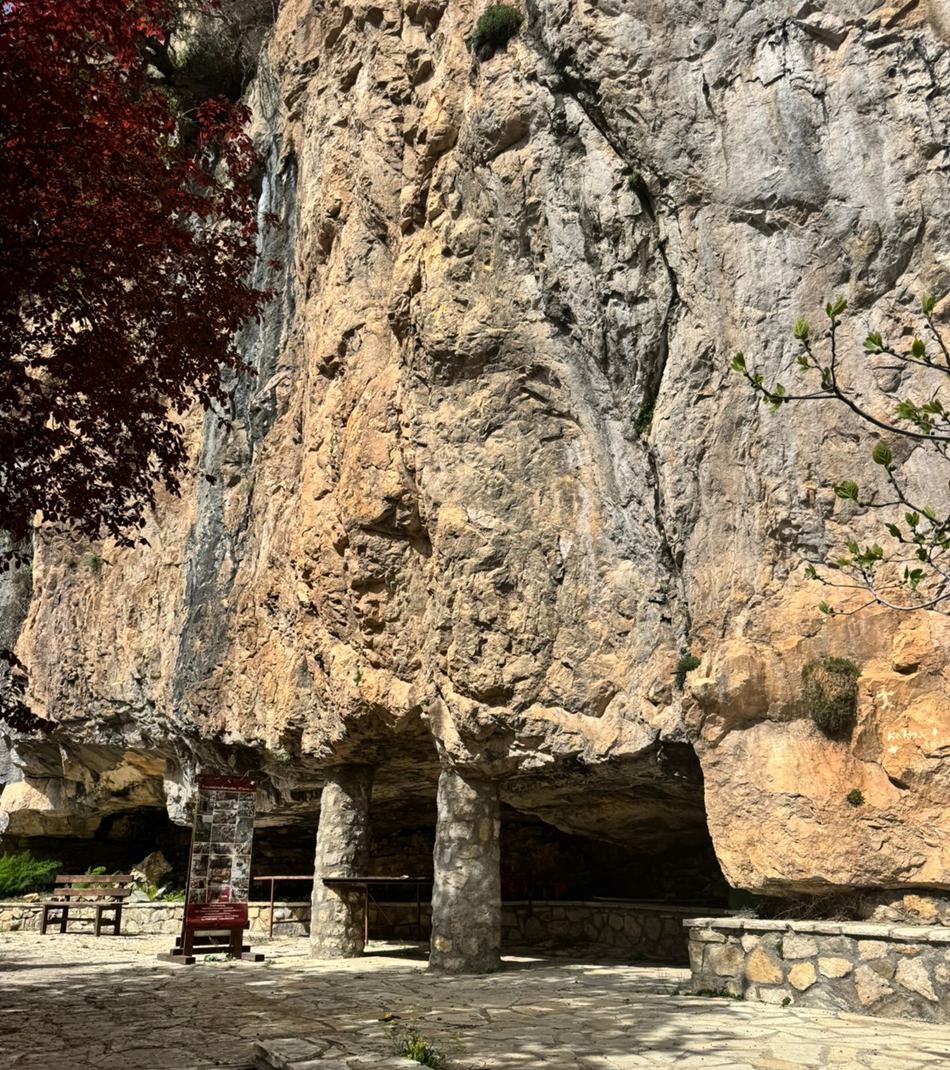
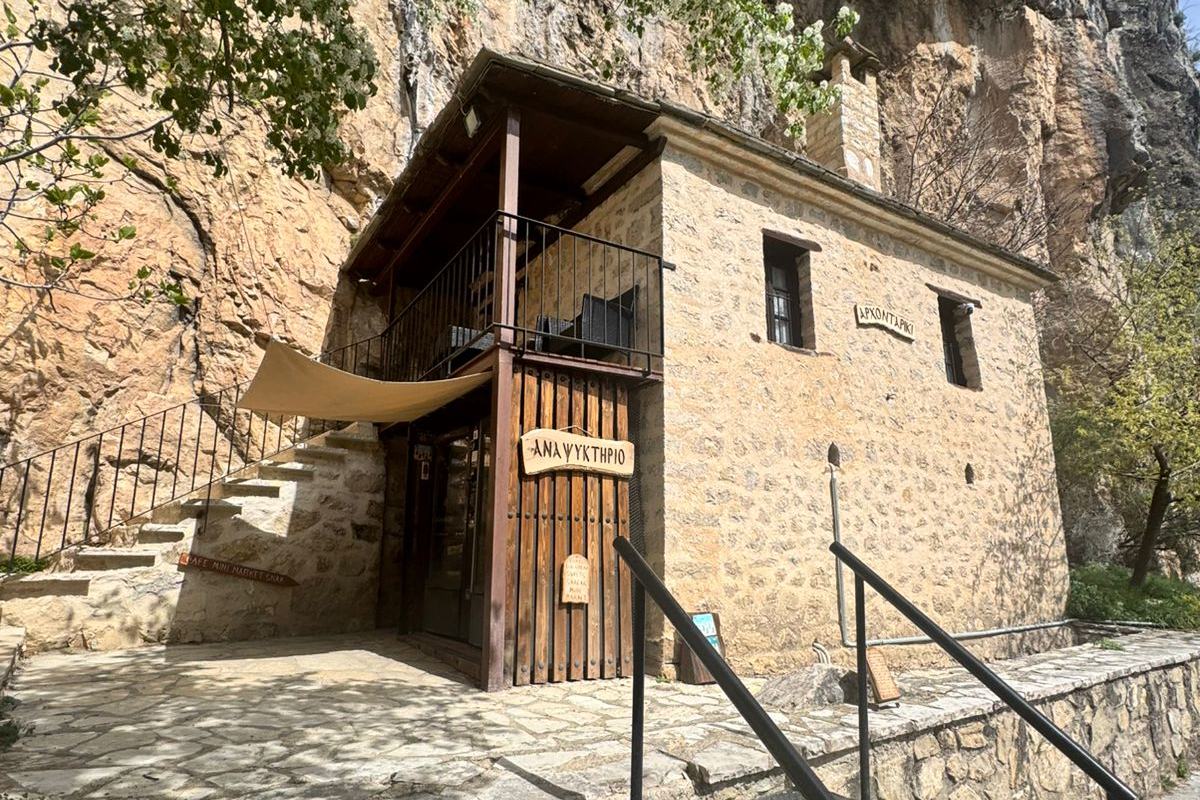
| Location: |
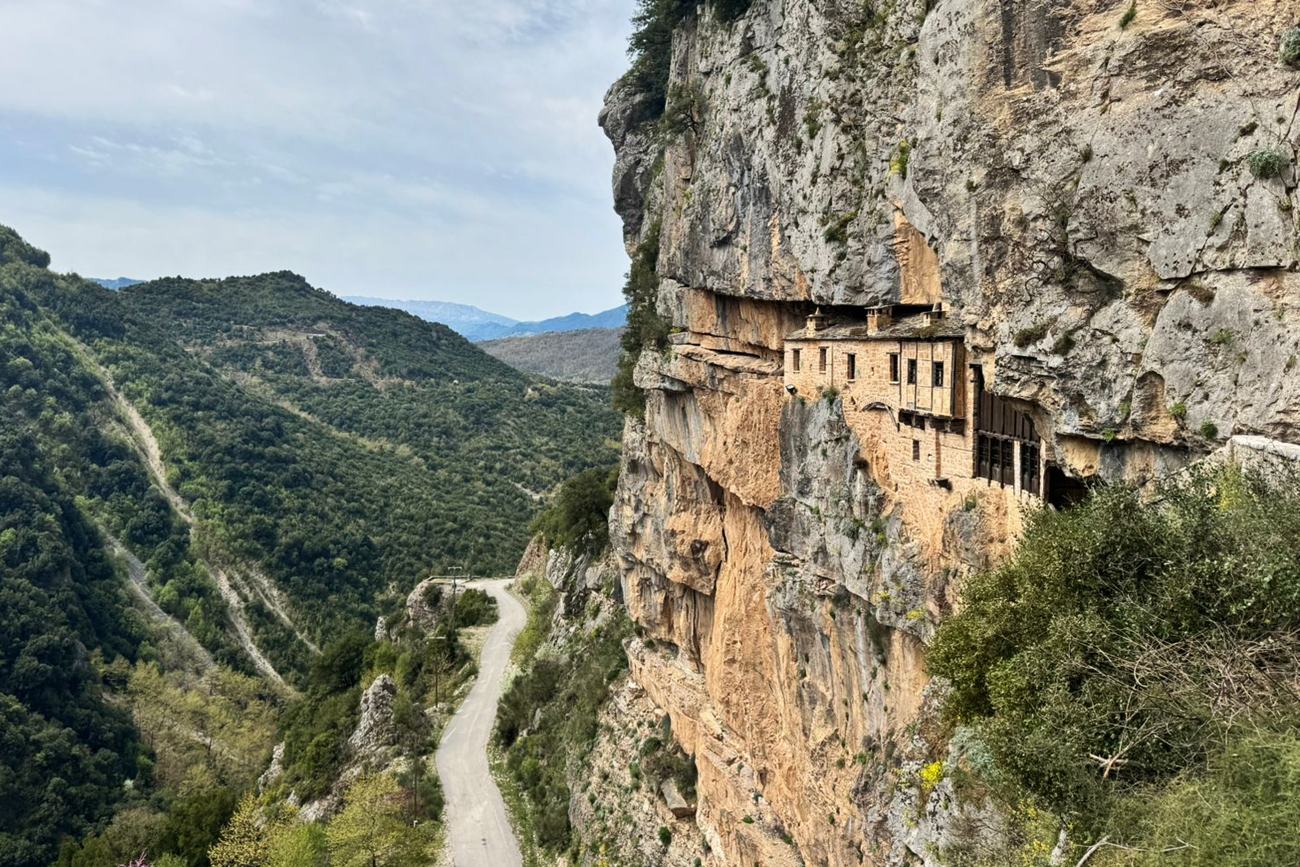
| In a cave south of Kalarrytes village, in the Tzoumerka mountain range of Epirus, ovelooking a gorge. |
| Region > Prefecture: | 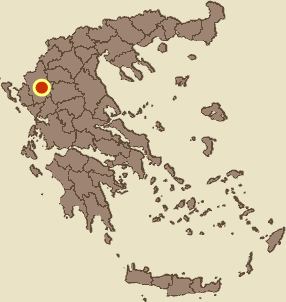 |
| Epirus Ioannina | |
| Municipality > Town: | |
| City of North Tzoumerka • Kalarrytes | |
| Altitude: | |
|
Elevation ≈ 760 m (Relative Height≈20 m) |
| Time of Construction | Origin | |
| 1212 | BYZANTINE  |
|
| Castle Type | Condition | |
| Cave Fort |
Good
|
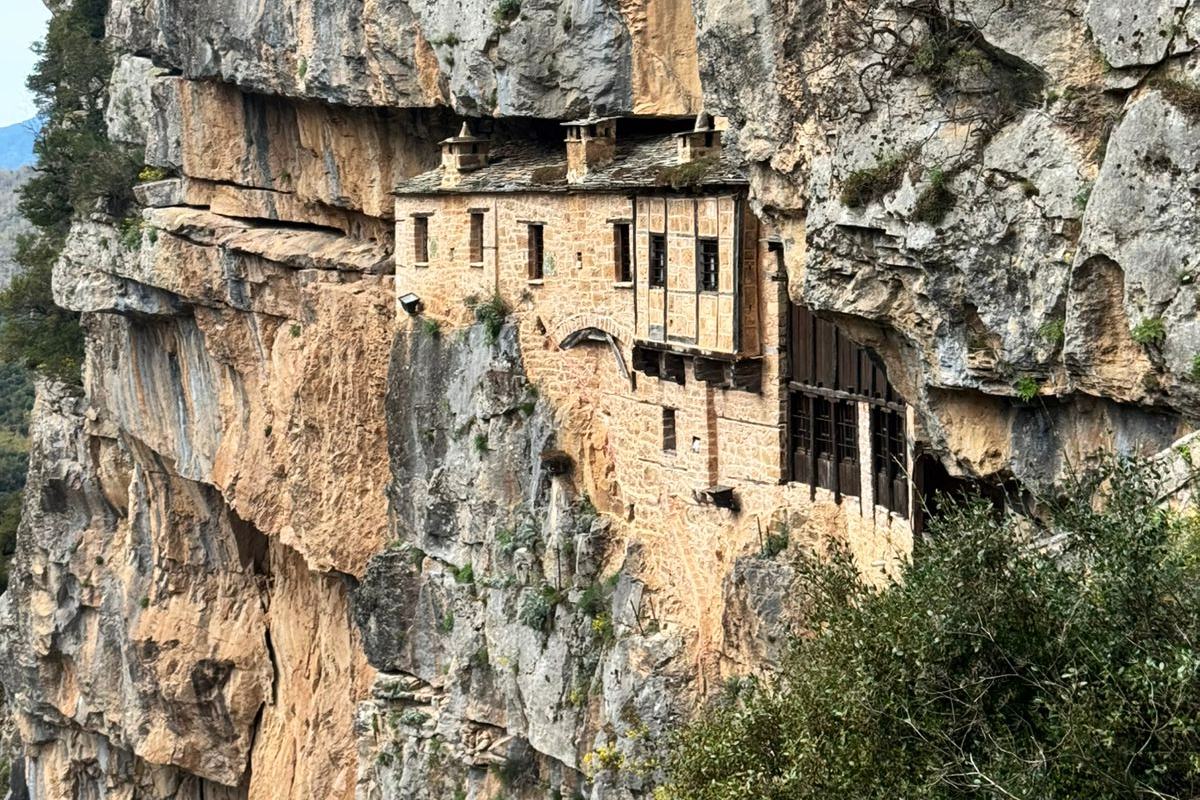
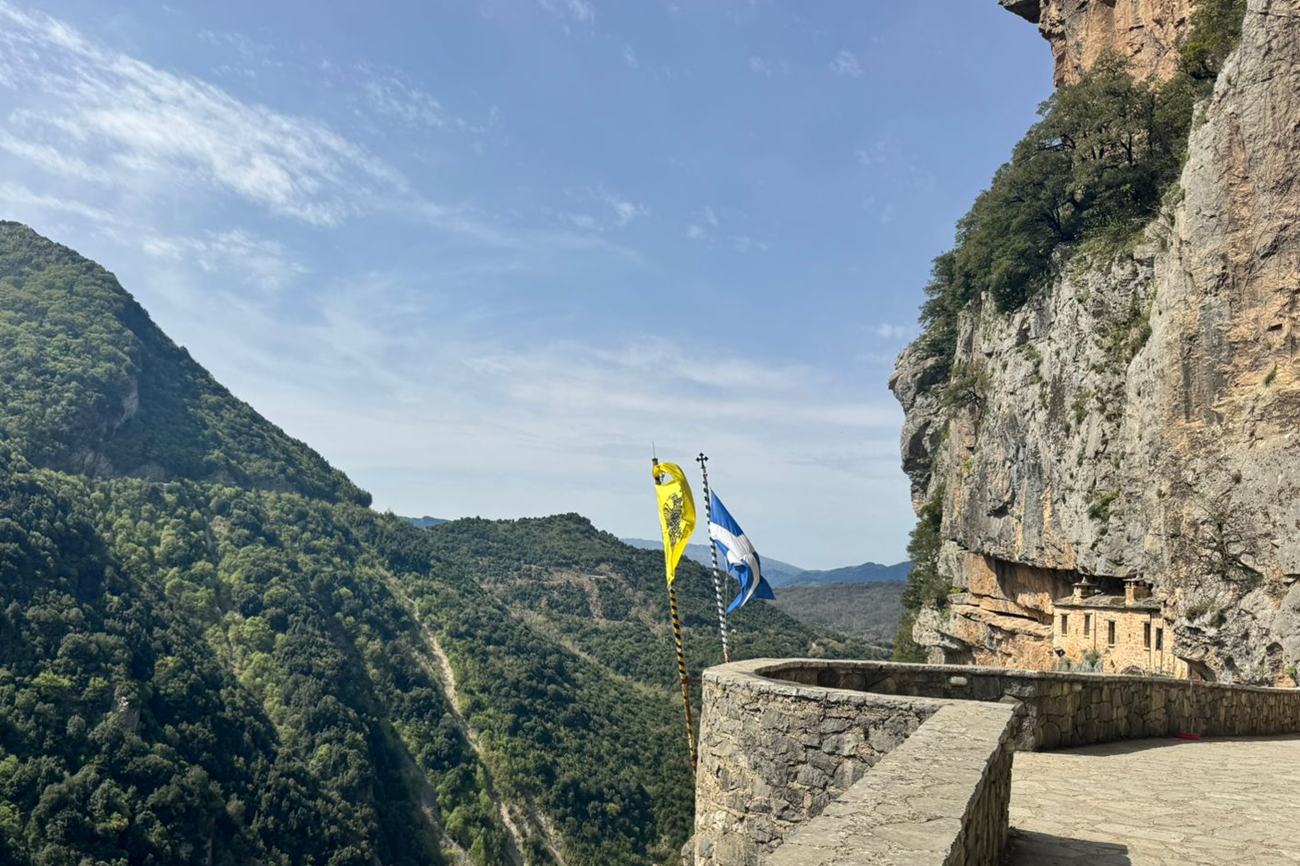
An old monastery in a cave in the Tzoumerka mountains, on a steep slope above the gorge of the Kalarrytikos River (a tributary of the Arachthos River), south of the village of Kalarrytes.
The monastery is dedicated to the Dormition of the Blessed Virgin Mary, but celebrates on the Friday after Easter.
The name “Kipina” is due to the orchards that the monks cultivated below the monastery, next to the river.
History
According to Seraphim Xenopoulos or Byzantius (who was Metropolitan of Arta and Preveza from 1864 to 1894), the Holy Monastery of Kipina was founded in 1212 by a certain Archbishop Gregory.
According to another version, the monastery was founded by a group of monks who left the Monastery of Vyliza (about 1.5 km to the east) when they disagreed with the election of the new abbot. According to tradition, this happened in the 13th century (although the existence of the Monastery of Vyliza dates 2-3 centuries later).
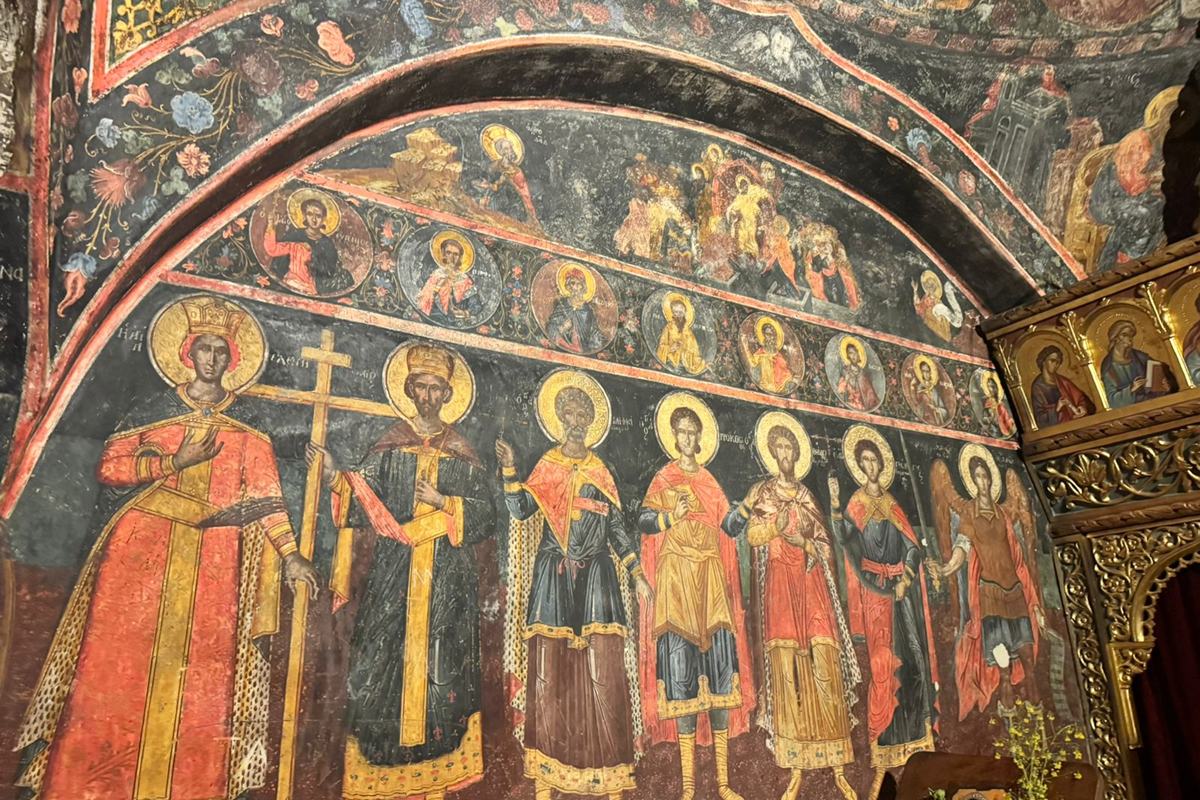
We do not have much information about the history of the monastery. The frescoes and the iconostasis (stolen in 1997) date from the 18th century and around that time (18th-19th centuries) must have been the heyday of the monastery, which, however, was never a particularly wealthy monastery.
The Kipina monastery is mentioned by two foreign travelers of the early 19th century, who were at the court of Ali Pasha: the English colonel William Leake and the French diplomat François Pouqueville, who showed interest mainly in the cave.
Today there are no monks in the monastery. The last monk died in 1944.
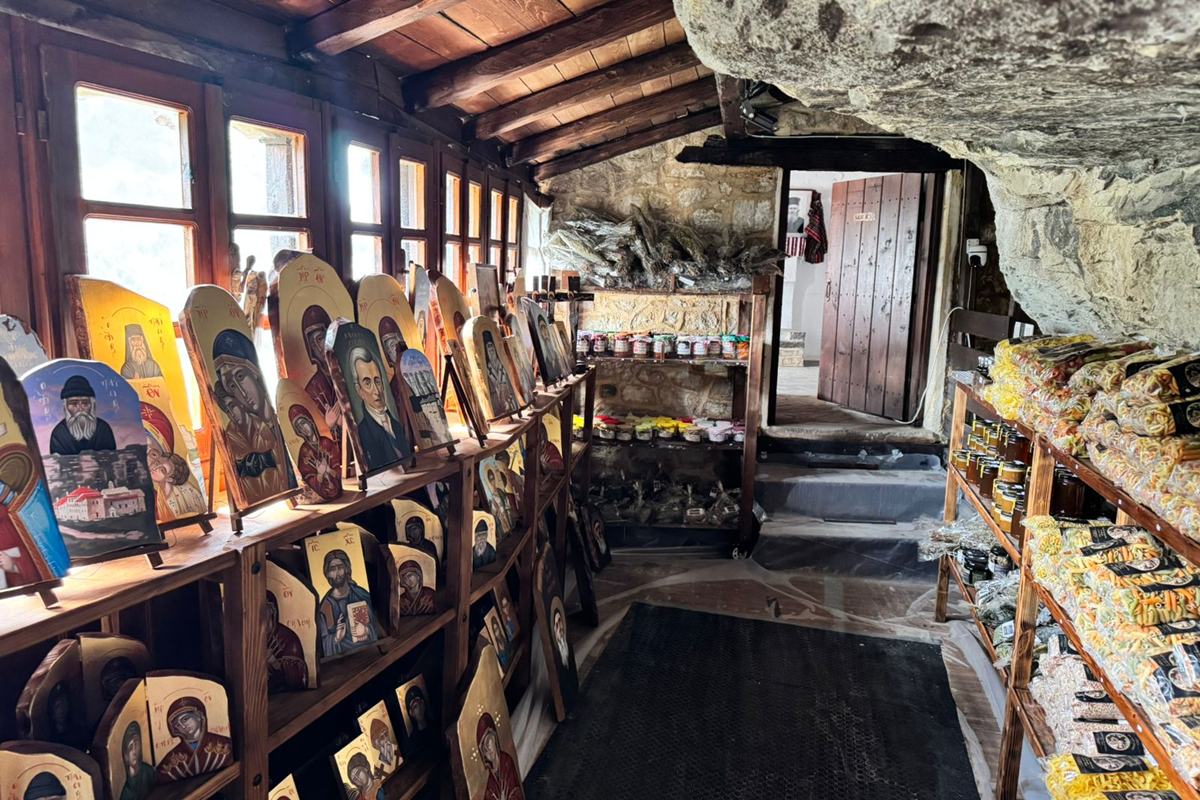
However, the monastery is not deserted. The buildings have been maintained and renovated and there is staff for security, as well as for the operation of a canteen and a gift shop.
Structure, Fortification & Buildings
The monastery of Kipina has two peculiarities in relation to other “castle forts” presented in Kastrologos:
1) It is not simply built in a rock cave (i.e. a cavity in a rock), but at the entrance to a large cave.
2) Apart from the natural protection of the location, there are no other special fortification elements except for the existence of a wooden suspension bridge, which bridged a 4-meter gap between the path carved into the rock and the entrance to the monastery.
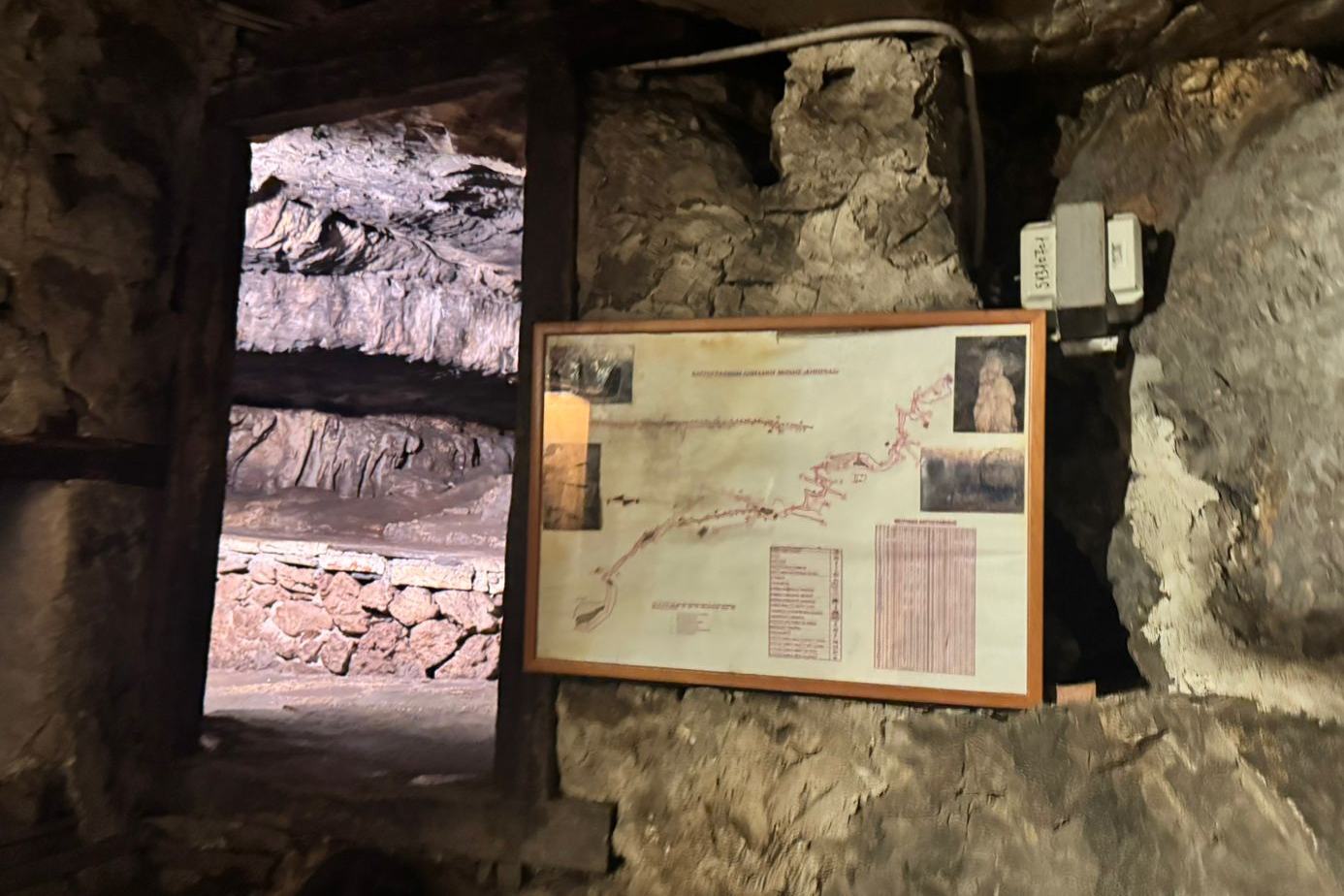
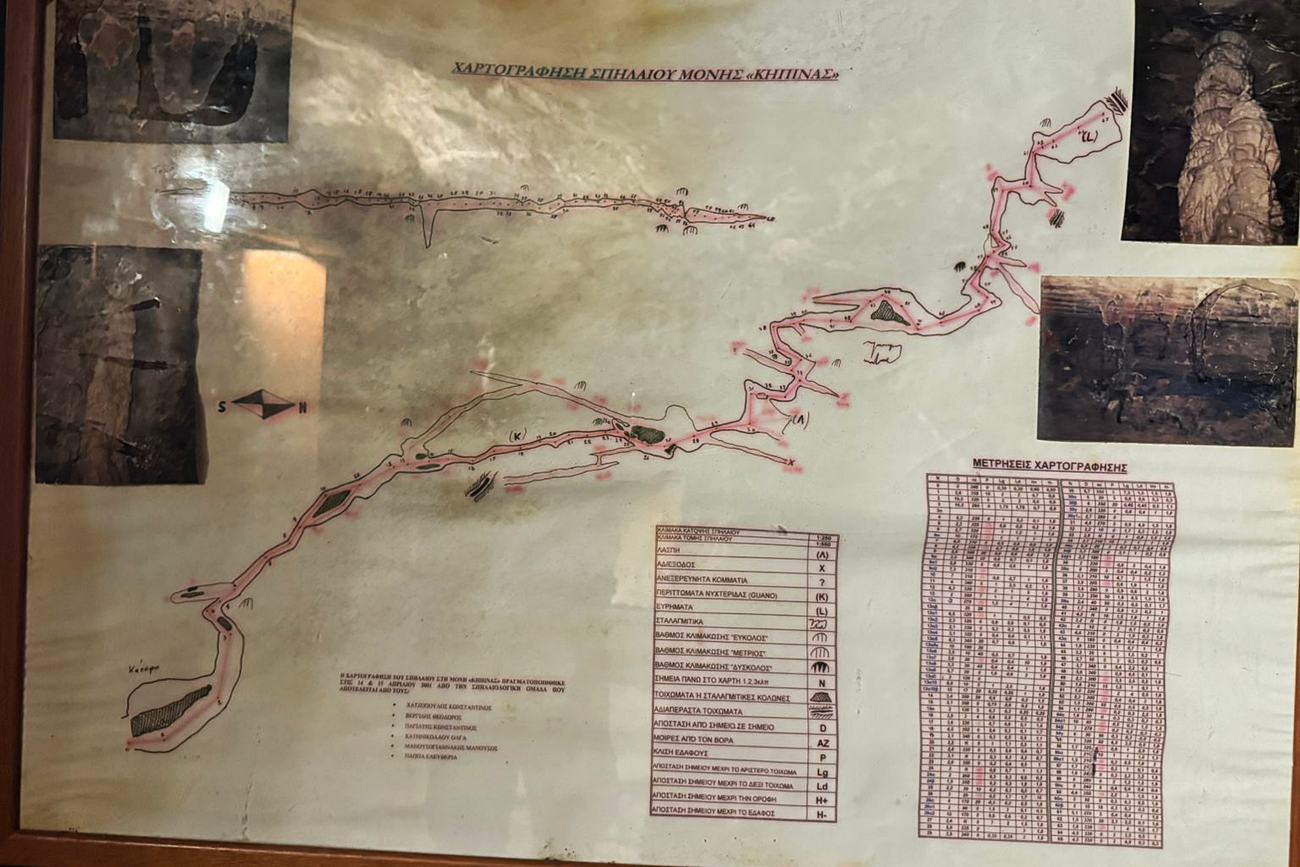
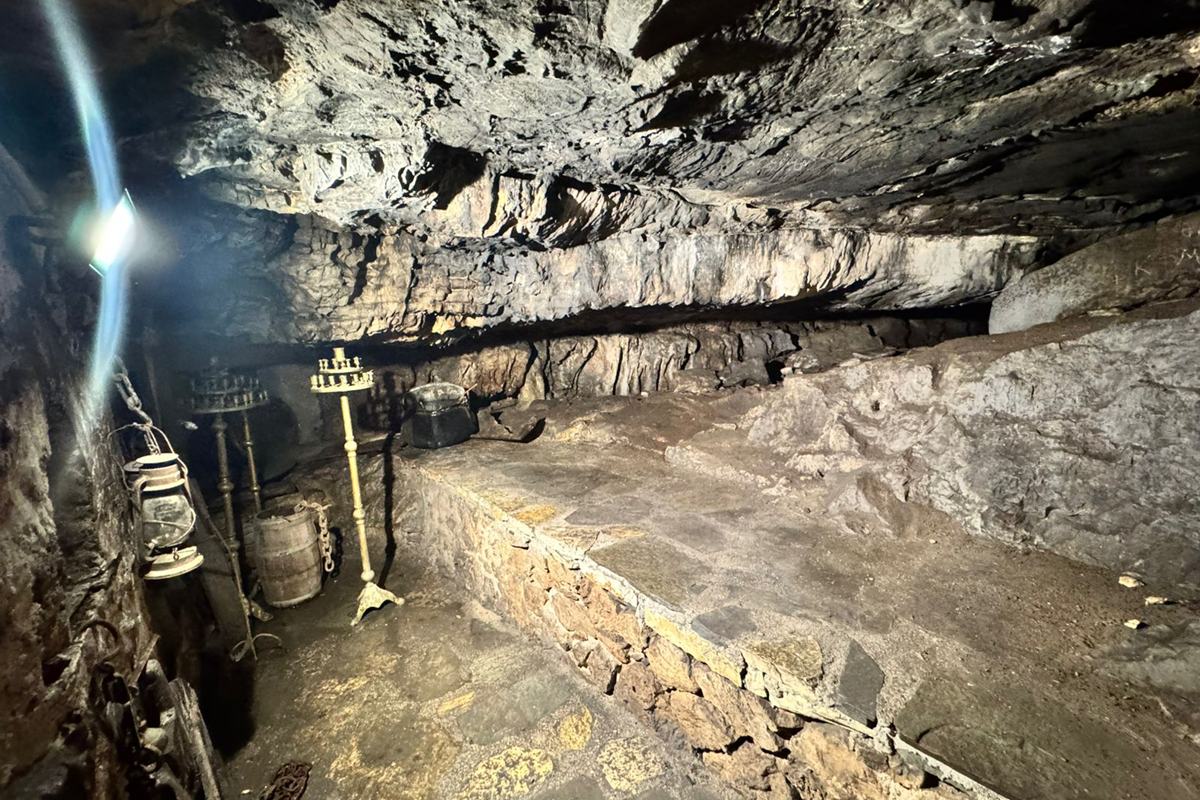
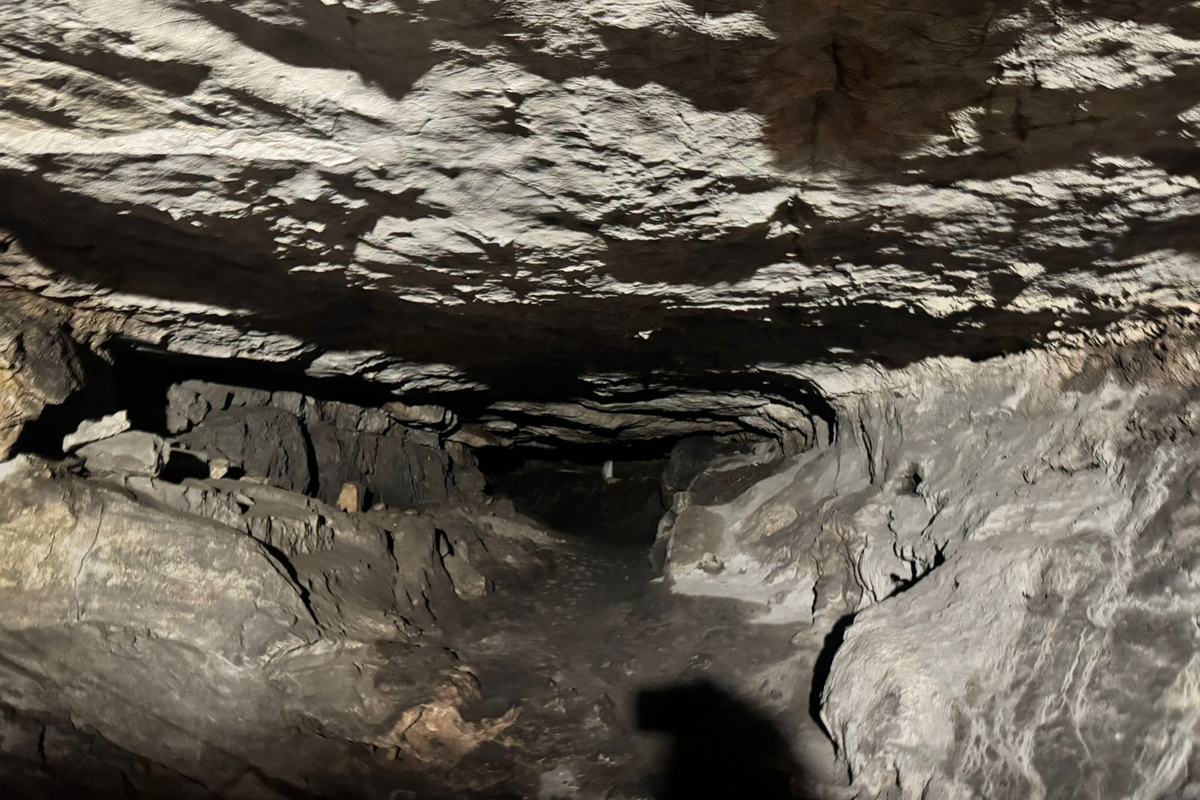
The cave of Kipina was explored by the pioneer of Greek speleology Anna Petrocheilou in November 1956. The entrance to the cave is through a wooden door in the pronaos, to the left of the main church. The length of the main gallery of the cave is 240 meters and the maximum internal height is 9 meters. The first 20 meters after the entrance are at a very low altitude. The cave belongs to the underground river type, meaning it was the bed of an underground river.
The monastery buildings, however, do not extend into the interior of the cave, but occupy the external cavities of the rock, which has been carved to create spaces. The roof of the main church in particular has been carefully sculpted and has been shaped into an impeccable dome. The dome is frescoed with very interesting 18th century icons, but, due to the lack of ventilation, it is very blackened.
In the past, one of the abbots of the monastery named Daniel tried to expand the monastery to another cave located a little higher than Kipina, on the same rock. That attempt was abandoned because the construction proved too dangerous. There are still traces of the carvings made in the rock as part of that attempt.
Sources
- Research and photos (April 2026) by Ismini Papathanassiou
- Σεραφείμ Ξενόπουλος ο Βυζάντιος (1884), Δοκίμιον Ιστορικόν περί Άρτης και Πρεβέζης
- Website travel.gr - Μονή Κηπίνας: H αινιγματική «Σουμελά της Ηπείρου»
- Wikipedia - άρθρο Ιερά Μονή Κηπίνας
- Αρχαιολογικόν Δελτίον, τεύχος 27/Β2-1972, σ. 468.
| Access |
|---|
| Approach to the monument: |
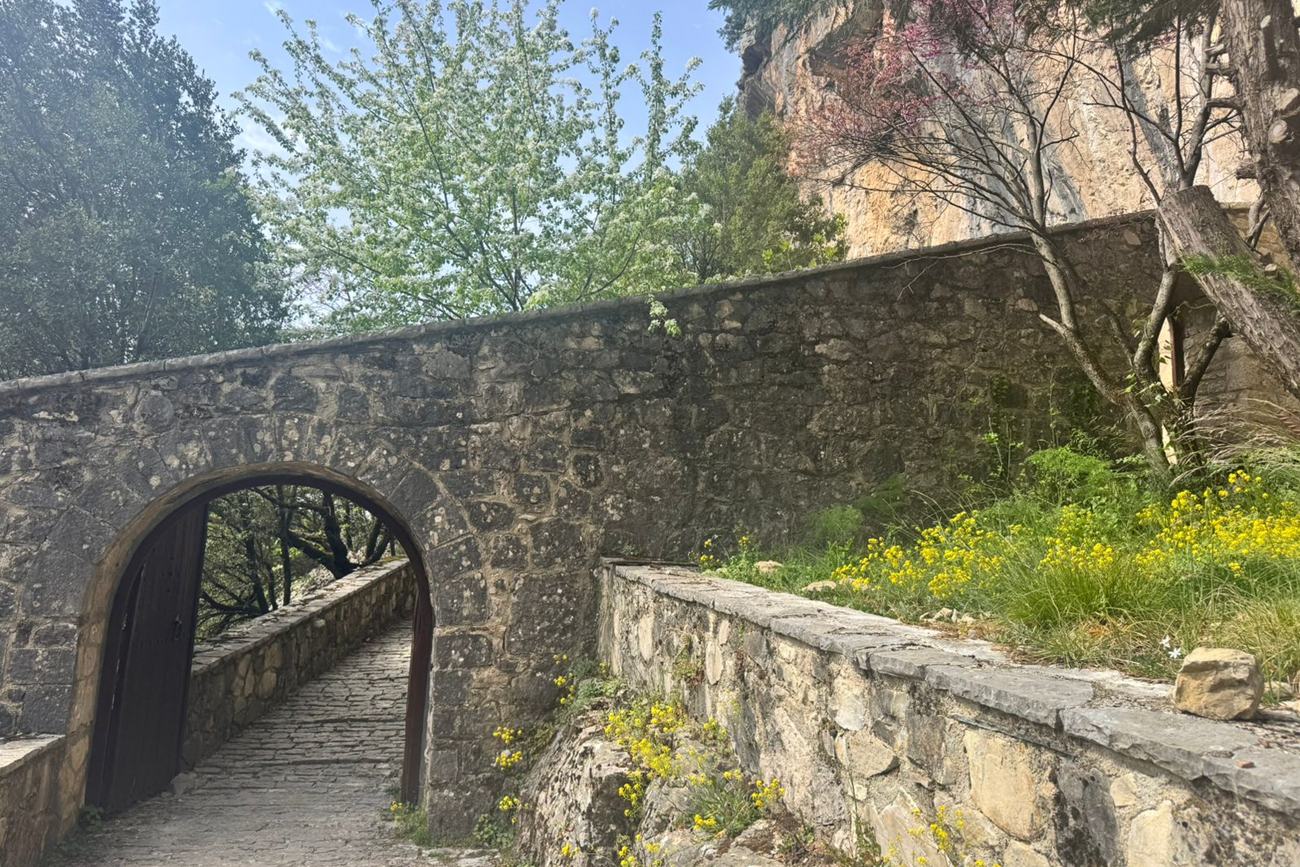
| There is a paved road from Kalarrytes to a parking at the foot of the rock, from where a path leads to the monastery. |
| Entrance: |
| Free access. Limited hours. The monastey is guarded. |
| Other castles around |
|---|
| Acropolis of Kastritsa |
| Castle at Pente Pigadia |