Kolindros, Pydna-Kolindros, Pieria,Central Macedonia
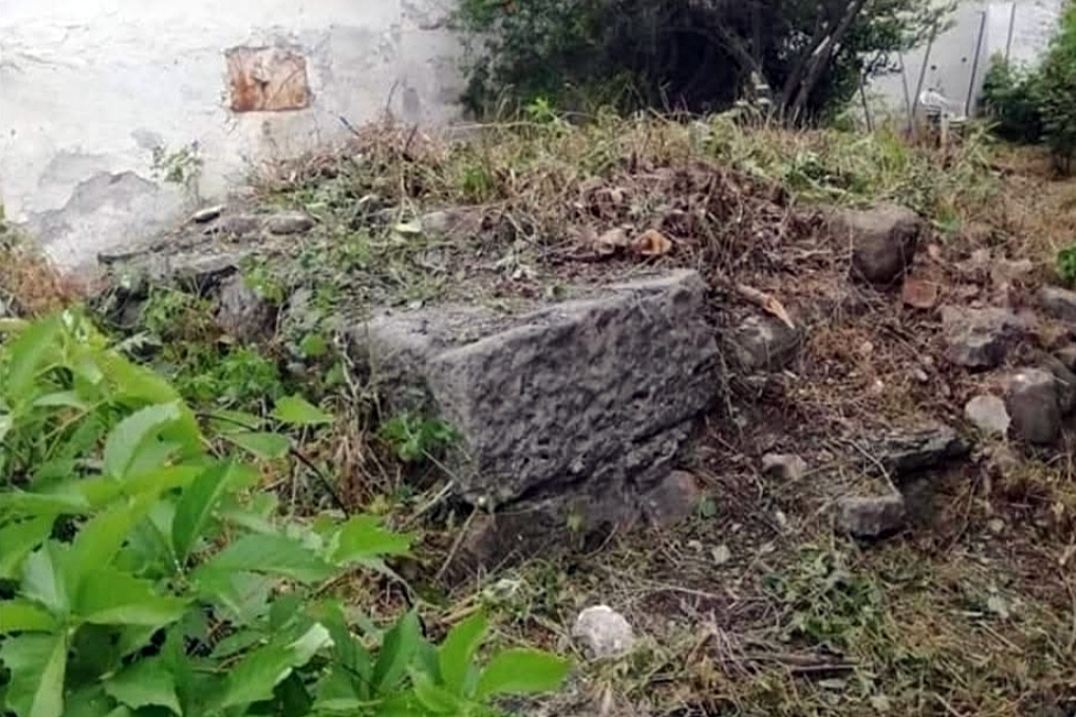
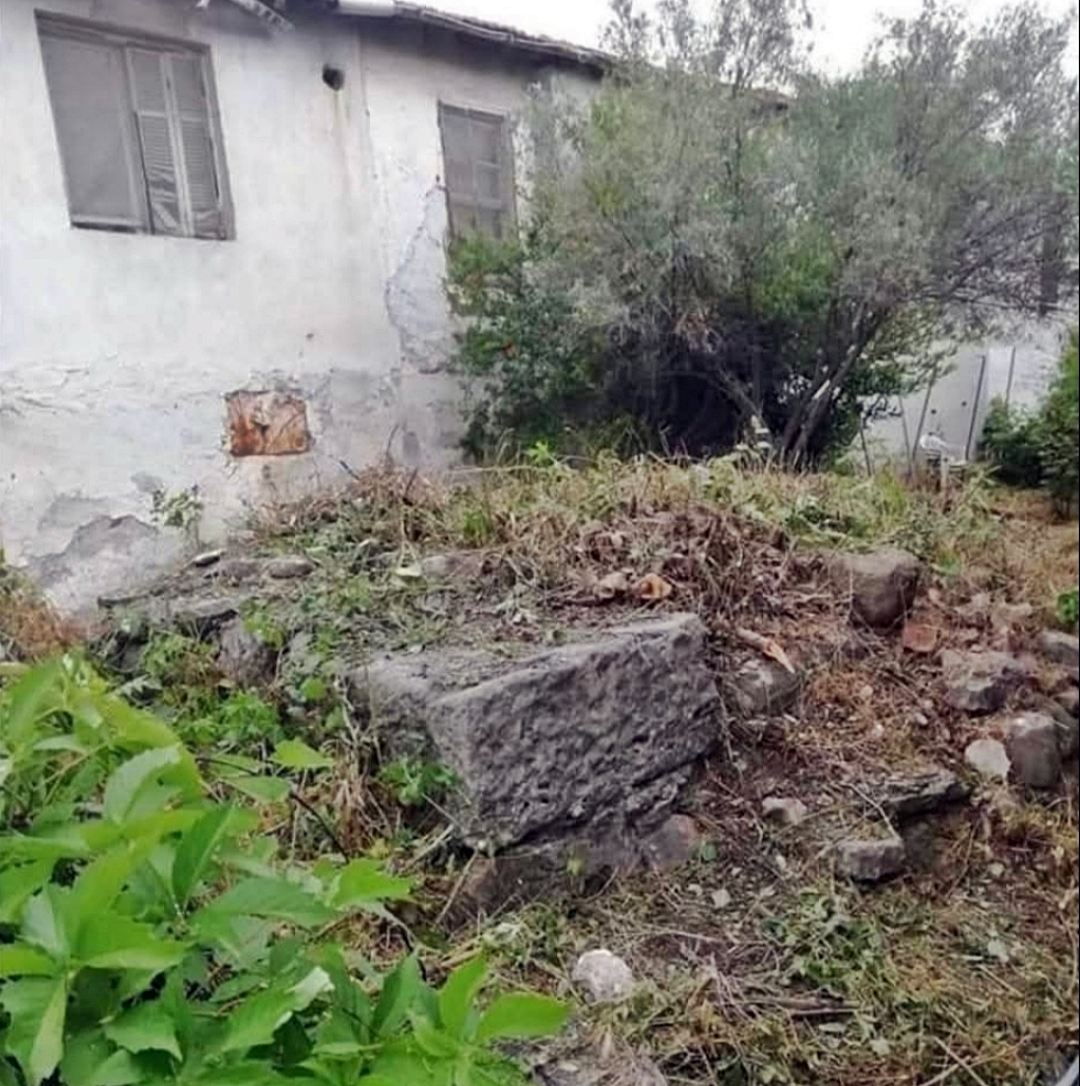
Tower of Kolindros
| Location: |
| In the town Kolindros of Pieria, near the church of Agia Theodora |
| Region > Prefecture: | 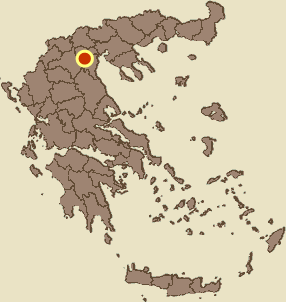 |
| Central Macedonia Pieria | |
| Municipality > Town: | |
| City of Pydna-Kolindros • Kolindros | |
| Altitude: | |
|
Elevation ≈ 268 m (Relative Height≈0 m) |
| Time of Construction | Origin | |
| 14th cent. | Late-BYZANTINE  |
|
| Castle Type | Condition | |
| Ruined Tower |
Few Remains
|
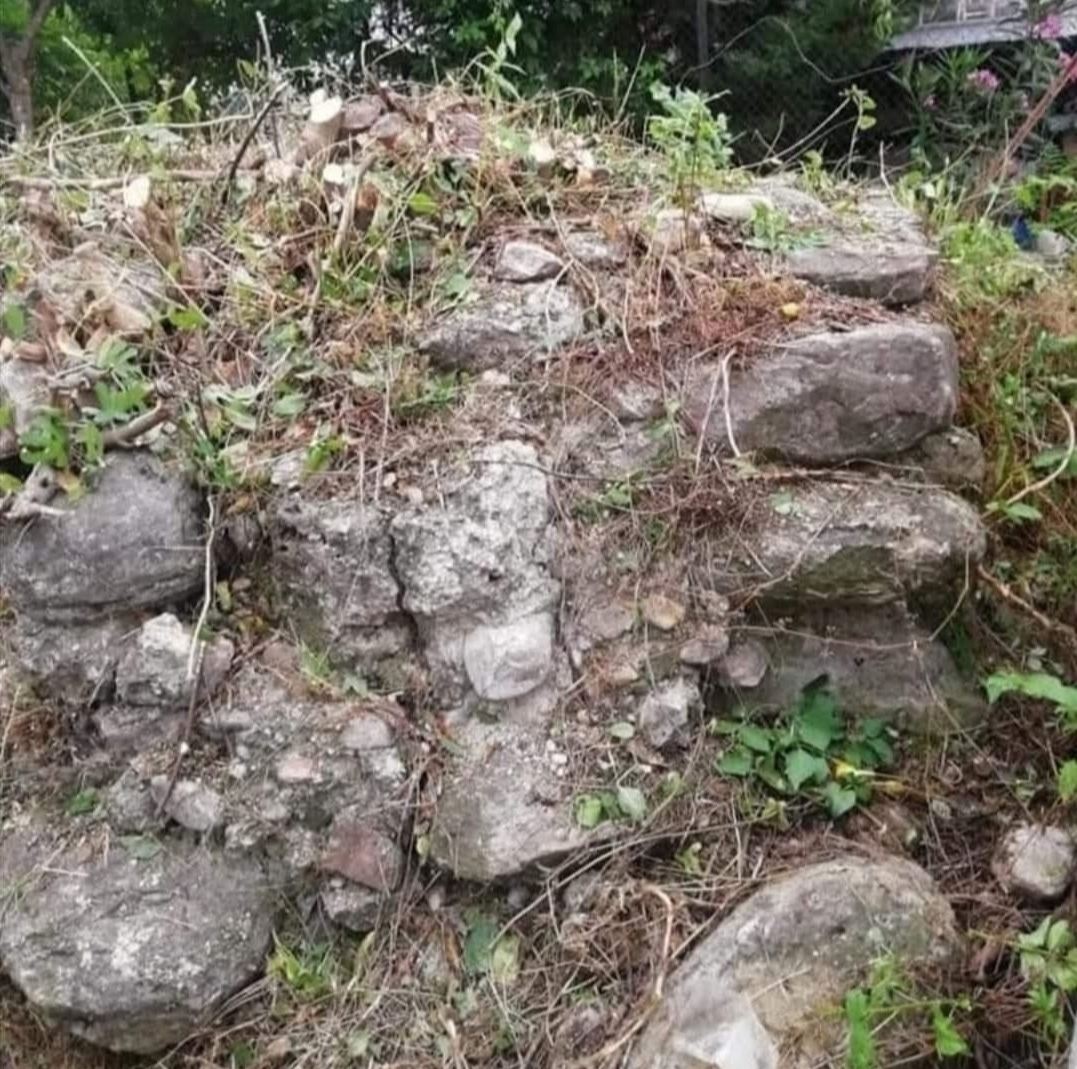
Minimal remains of a late Byzantine tower in a courtyard on the south side of the town of Kolindros, near the church of Agia Theodora.
History
A donation document (or last will) from 1384 states that the “Castle of Kolindros” would be donated by its owner Alexios Angelos to the Nea Moni of Thessaloniki, after his death. (It is not known with certainty which was the Nea Moni [=New Monastery] of Thessaloniki. It may have been destroyed after the Ottoman conquest of 1430 or it may have been the present-day Panagouda, i.e. the church of Panagia Gorgoepikoos.)
From this document, we conclude that there was a castle in Kolindros at the end of the 14th century. The specific tower was, in all probability, part of that castle.
The DonationMore details about the donation (which was discovered by the byzantinologist Professor G. Theocharides in 1956 at the Monastery of Agia Lavra): The donor was Alexios Angelos who had the title caesar and was the governor of Thessaly. He belonged to the Philanthropinos family. He became the caesar-governor of Thessaly when it was granted to him by John Ouresis Palaiologos (when he became a monk) who had inherited it from his father Symeon Ouresis, who had inherited it from his brother Stefan Dusan.
In particular, Kolindros had been granted to Alexios Angelos by a chrysoboul of the Byzantine emperor Manuel II Palaiologos and the despot of Thessaloniki, the emperor’s brother, Theodore. Alexios bequeathed the castle to Nea Moni “because of his friendly relations both to the deceased abbot of Nea Moni Makarios Choumnos, as well as to its current abbot Gabriel and to the monks in it and his desire to help the monastery [...] both for the salvation of his soul and for the commemoration of his name”.
As for the dating of the whole donation: The donation was probably drawn up in January 1384. The chrysobull granting Kolindros to Alexios Angelos was made in 1382. Alexios Angelos died in 1392 and Nea Moni finally took – after some ecclesiastical disputes – the castle of Kolindros in 1394.
History of the towerThe castle must not have existed much earlier. It is most likely that it was built earlier in the 14th century, or towards the end of the 13th century. During the Tourkokratia, it is likely that it was used for some time, given that one of the versions for the origin of the name “Kolindros” is from the Turkish “koulia” which means castle.
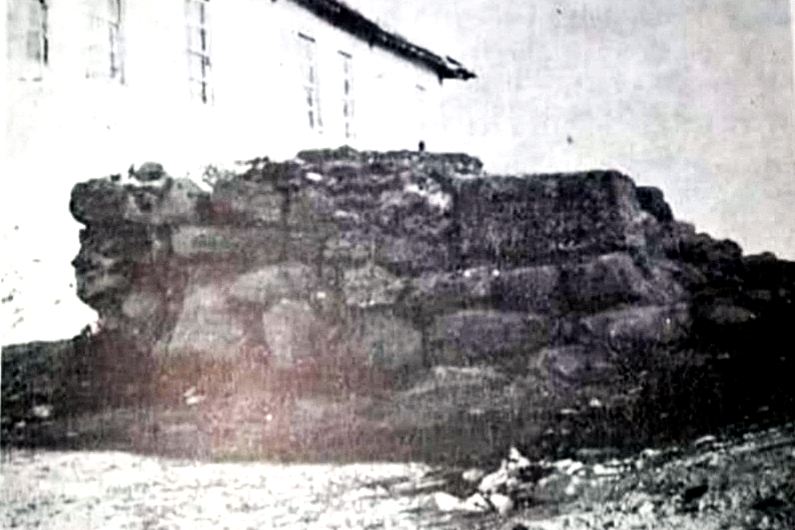
In any case, at some point during the Turkish occupation it seems that the castle fell into disuse and was deserted, with the result that in the 19th century only one tower remained, the tower on this page.
The French archaeologist Leon Heuzey (1831-1922) who worked for the French Archaeological School of Athens (1854-1858) visisted Kolindros – probably in 1858 – and reported that he had seen a Byzantine tower there (without further details).
The tower was finally demolished in 1876 by order of the Bishop of Kitros Meletios, in order to use its stones for the construction of the cemetery enclosure of the Church of Agios Demetrios.
The few remains of the tower were declared a protected historical monument in 1981 by the Government Gazette 703/B/1981 “because it is a remarkable building of the Paleologean period”.
Sources
- Photos and info by Vaggelis Korakas (June 2026)
- Γ. Θεοχαρίδης (1960). Δυο έγγραφα αφορώντα εις την Νέαν Μονήν Θεσσαλονίκης. Μακεδονικά, 4(1), 315–351. (online)
- Αρχαιολογικόν Δελτίον, τεύχος 37/Β2 – 1982, σελ. 291-292
- Research Charalampos Papadopoulos